

The Pianist at Park Theatre is a powerful stage adaptation of Władysław Szpilman's memoir, chronicling his survival in Warsaw during the Second World War. Adapted and directed for the stage with remarkable sensitivity, the production follows Szpilman's journey from celebrated musician to isolated survivor, exploring how art, memory and resilience endure amidst unimaginable circumstances. Rather than relying on spectacle, the play focuses on personal experience, allowing one man's story to illuminate a much larger historical tragedy.
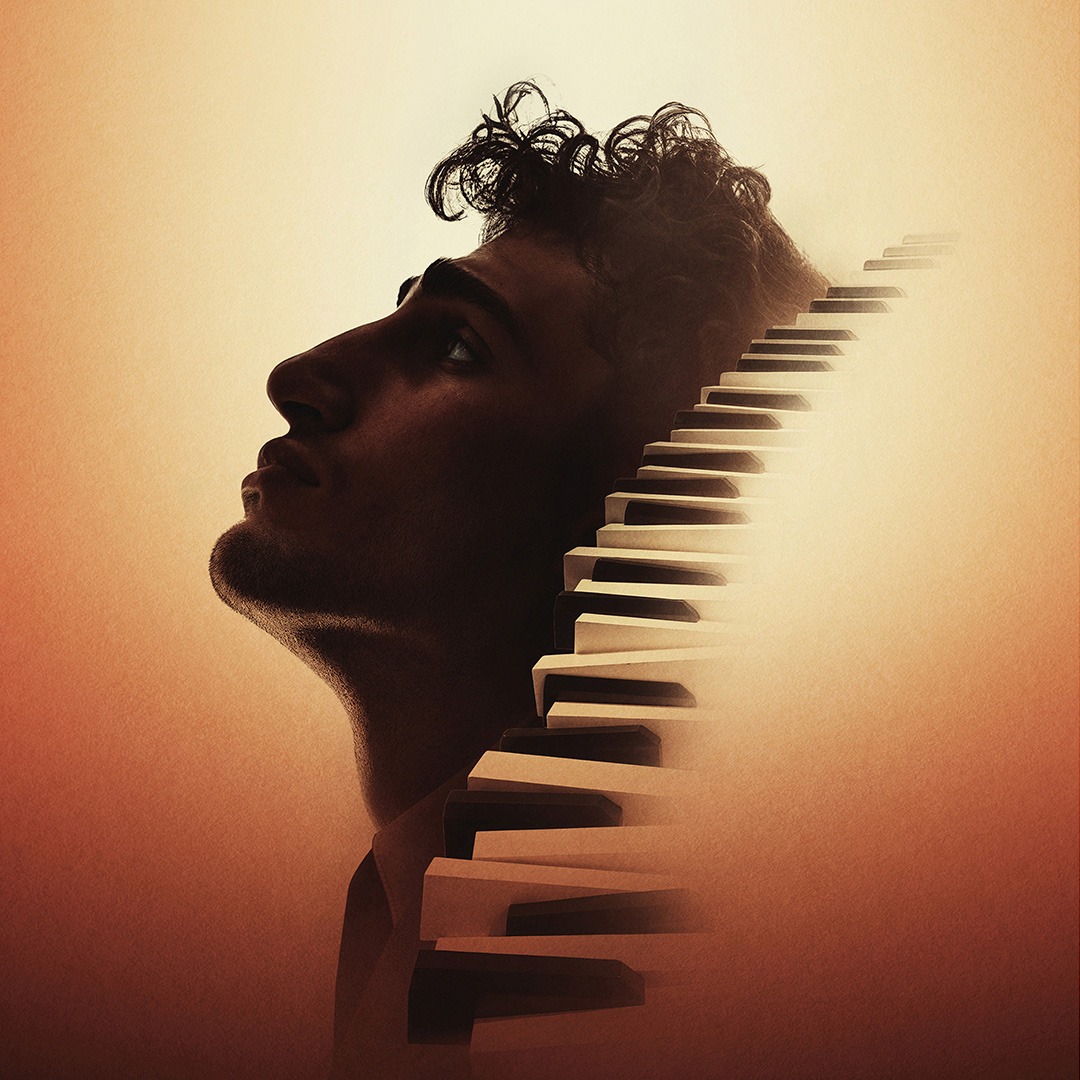
The image that remains long after the performance ends is deceptively simple: A piano standing alone under a narrow pool of light. Before a note is played, the instrument already feels significant, not merely a prop, but a symbol of identity, survival and everything that is gradually stripped away. When the first melody emerges, fragile and measured, the silence in the auditorium becomes almost as important as the music itself.
What works especially well is the production's restraint. The story unfolds through carefully observed moments rather than dramatic embellishment. A family gathered around a table, a hurried conversation cut short by fear, a brief pause before someone closes a door — these details accumulate quietly, creating an emotional impact that feels earned rather than imposed. At one point, a simple line about returning home carries extraordinary weight because the audience understands everything that has been lost in the meantime.
The central performance anchors the production with remarkable control. The portrayal of Szpilman captures both vulnerability and determination, allowing the character's humanity to remain visible even as circumstances become increasingly desperate. Small physical details such as a trembling hand, a momentary hesitation before speaking, a glance toward the piano communicate as much as the dialogue itself.

Music is naturally at the heart of the production, and it is used with exceptional care. Rather than functioning as background accompaniment, the piano becomes another voice within the story. Certain passages emerge as moments of comfort, others as reminders of what has been taken away. One particularly moving sequence allows the music to speak almost entirely on its own, creating an emotional connection that words would struggle to achieve.
The staging remains elegantly minimal. Lighting shifts subtly between locations and memories, while the set transforms through small adjustments rather than elaborate scene changes. This simplicity keeps the focus where it belongs: on the people, the music and the emotional truth of the story. Nothing feels overstated, and the production is stronger because of it.
There are moments where the pace deliberately slows, allowing silence and reflection to occupy the space. These quieter passages are among the production's greatest strengths. They create room for the audience to absorb the enormity of events without feeling rushed from one dramatic moment to the next.
The Pianist succeeds because it understands that some stories require honesty rather than embellishment. Through sensitive performances, thoughtful staging and the enduring presence of music, it transforms a well-known historical account into something immediate and deeply human. It is a production that honours both the man at its centre and the extraordinary resilience that allowed his story to be told.

