

The Gummy Bears' Great War at Etcetera Theatre: A Thirty-Minute Table-Top Tragedy Where Sweets Meet Existential Dread
The Gummy Bears' Great War, from the Italian company Batisfera, is the kind of show that reminds you why the smallest stages can hold the biggest ideas. Written and directed by Angelo Trofa and performed by Valentina Fadda and Leonardo Tomasi, this object theatre piece played at the Etcetera Theatre in Camden as part of the Voila! theatre festival, produced by The Cockpit. Its scale is tiny. It takes place on a table, with real sweets, small lights and only a handful of spectators. Its subject, though, is vast: an existential tragicomedy about our search for meaning, told through a war between two nations that should never have been in the same room. It runs for thirty minutes, and few shows get so much out of so little.
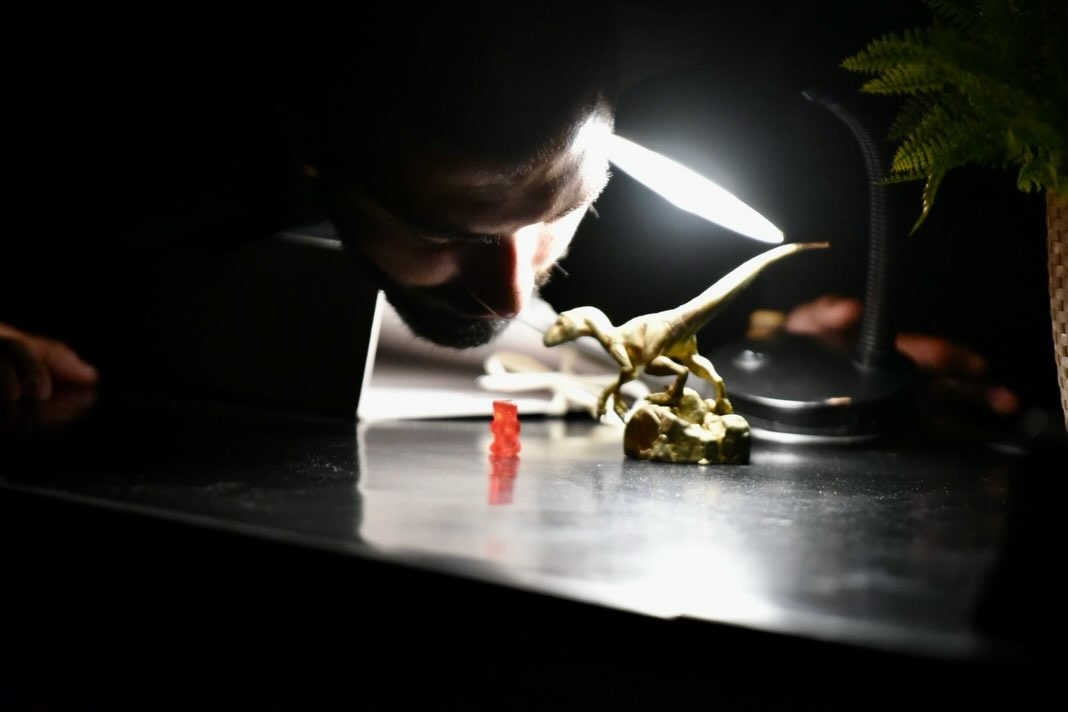
The premise is delightfully direct. At dawn, the nation of the Gummy Bears declares war on the nation of the Dinosaurs. A battle will be fought, the gummies will prepare for war, and the dinosaurs will win. You know the outcome before the first move, and the show knows you know it. What makes the piece so absorbing is not the result but the question it raises about the doomed side: what makes the candies so obstinate? Why fight when defeat is certain? That gap between a tragic certainty and a stubborn, comic hope is where the evening lives, and the production plays it with a deadpan precision that is both funny and quietly affecting.
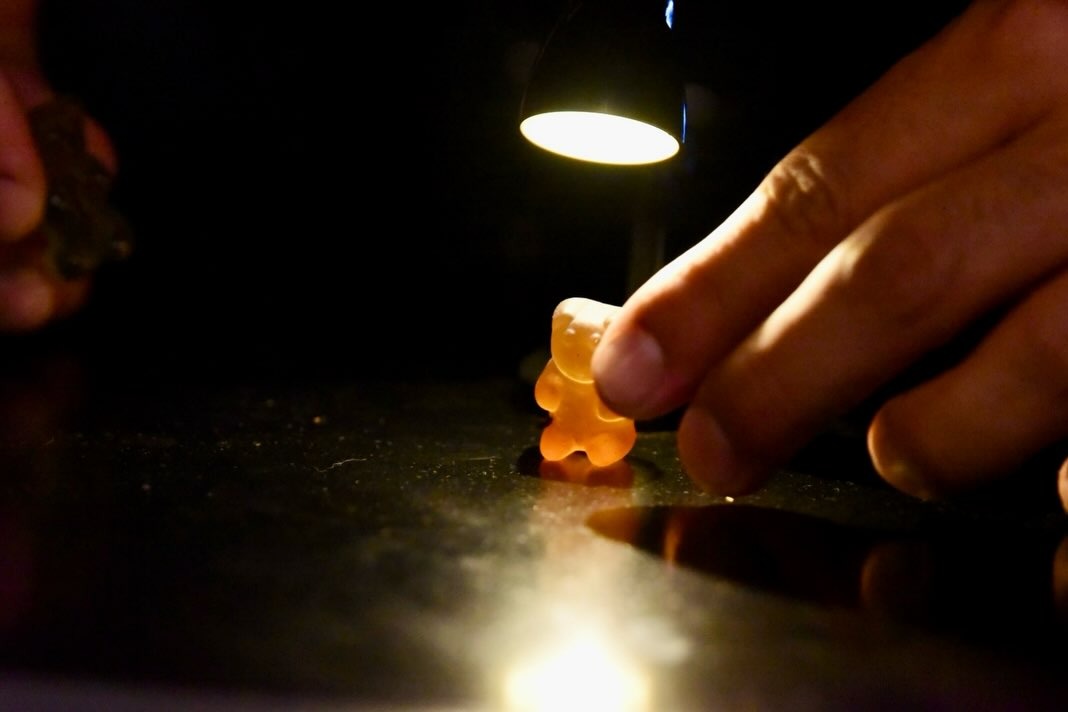
What works especially well is the commitment to scale. Object theatre depends on the audience believing in the world on the table, and the staging gives you every reason to. The small lights turn a tabletop into a landscape, shifting the mood from dawn to battle to aftermath, and the real sweets carry a surprising amount of character through the simplest of movements. A candy leaning forward, or hesitating at the edge of the table, can say more than a page of dialogue. With only a few spectators gathered close, you are drawn into the drama in a way a larger room could not manage, and you find yourself caring far more than you expected about the fate of a handful of gummies.
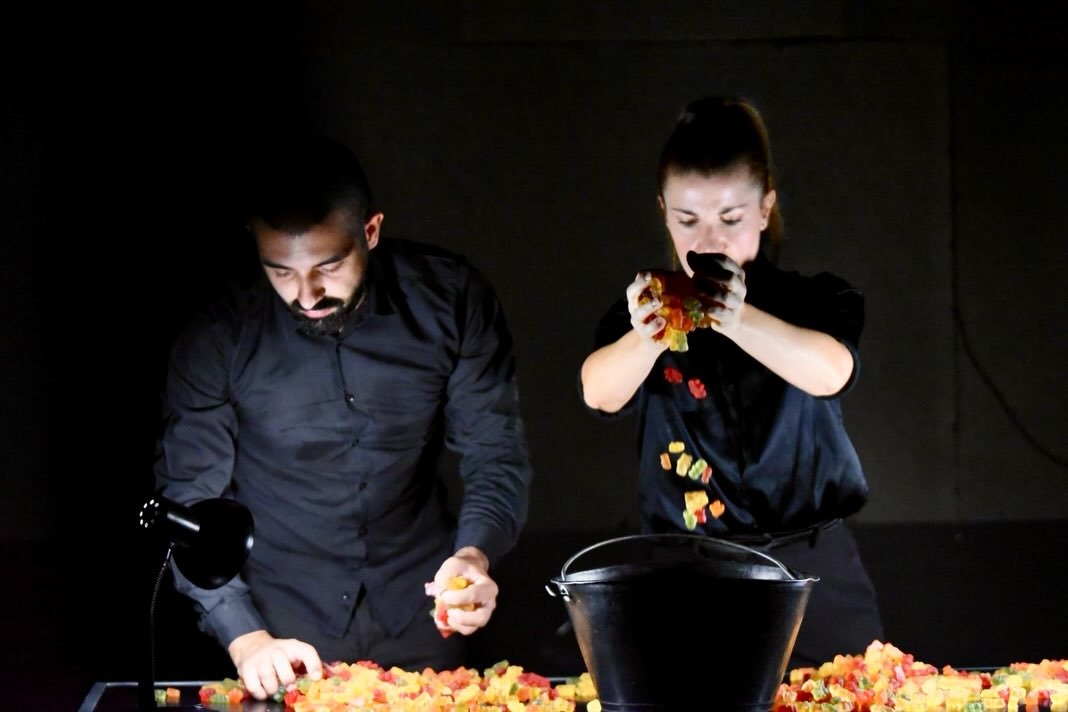
The two performers handle the material with a delicate balance of control and humour. The work is physical and precise, moving tiny figures through a campaign with the seriousness of generals, and the comedy lands because they never wink at the audience. A voice off, performed by Nunzio Caponio, adds another layer, and the sound design, by Quarantacinque with Michela Atzeni, gives the miniature world a surprising weight. The tech supervision of Luca Carta keeps the lighting sharp, and the English translation by Chiara De Giorgio carries the show's dry wit across smoothly. Everything is tuned to a single, consistent tone.
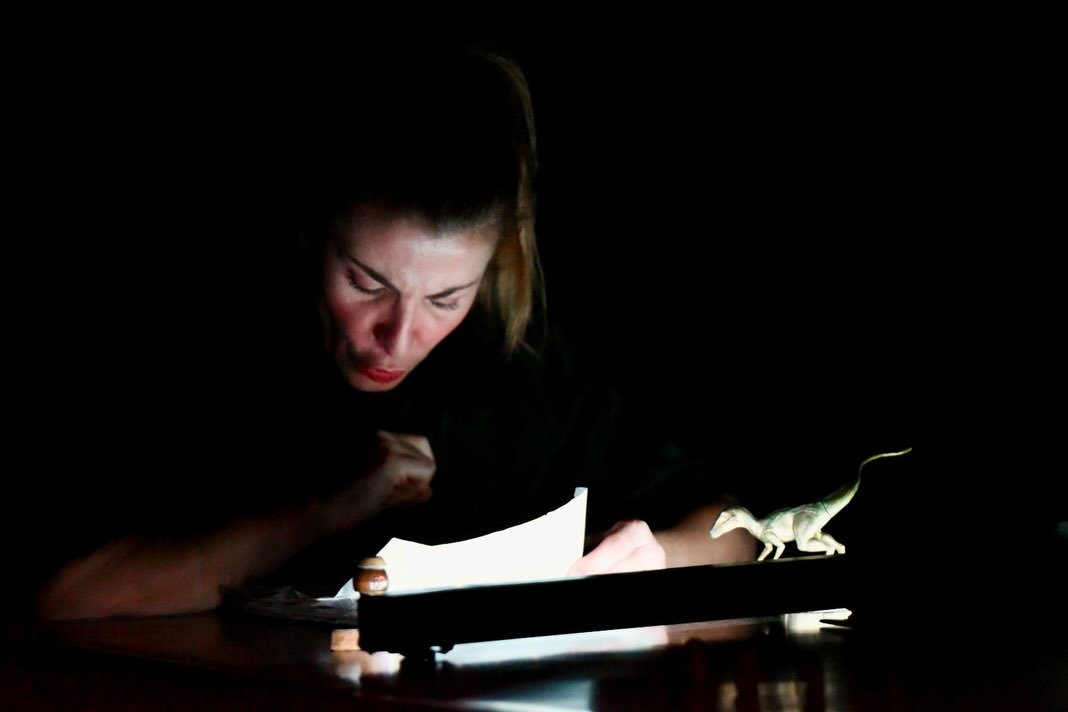
The press response has been strong, and it is easy to see why. Critics have praised the show as bizarre and irresistible and as comic, mournful and strangely beautiful, and the Telegraph called it a "midget gem". The description fits. The show is absurd in the best sense, rooted in a serious idea about why we keep trying when the odds are against us, and the more ridiculous the situation, the more human the feeling.
One of the show's greatest strengths is its restraint. It could have leaned on the novelty of the sweets and let the joke carry the half hour, but it uses the novelty as a way in, then asks something genuine. The tragedy never becomes heavy-handed, and the comedy never cancels out the feeling. A note of caution: the show contains references to suicide and war and uses a strobe light, so it carries a 12+ age recommendation, and it is worth knowing before you go.
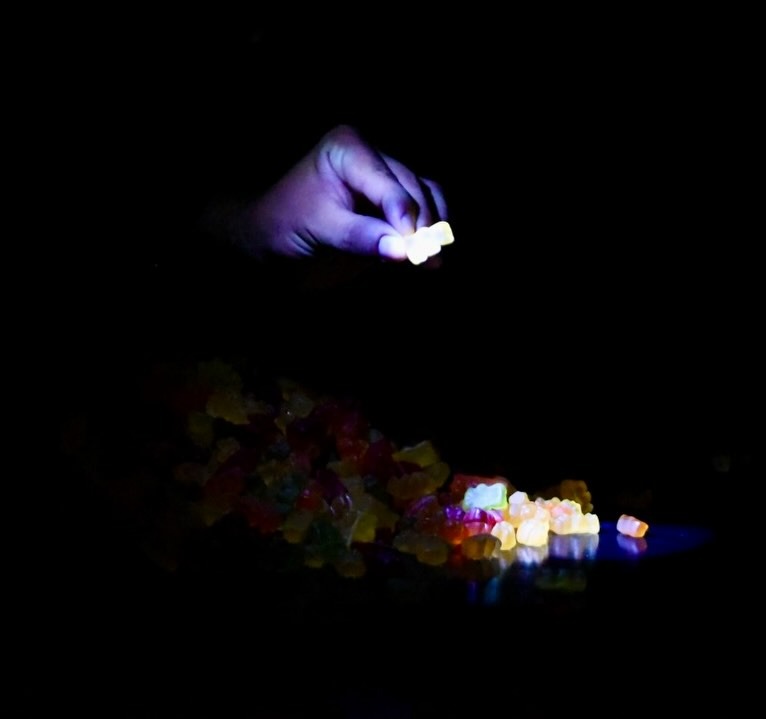
There are quieter moments when the battle noise drops away and a single light holds a single gummy in the dark. These are among the most affecting passages of the half hour. The Gummy Bears' Great War undersands that an absurd story can contain a real feeling, and that the question of why we are so obstinate is one a small, sticky sweet can ask as well as anyone. You will not look at a gummy bear in the same way again.

