

Custard Tarts at Riverside Studios: Sixty Minutes of Sapphic Joy, Custard Fights and Queer Liberation
There is a particular kind of fringe theatre that announces itself immediately as something special, not through elaborate production values or famous names but through the sheer originality and conviction of its storytelling. Custard Tarts, written and performed by Alice Harris-Dean and presented by Whole Headache Productions as part of Riverside Studios' Bitesize Festival, is exactly that kind of show. Having already earned nominations for the best new writing award at Chichester Festival Theatre and the international touring award 2026 in association with the Pebble Trust following its run at Brighton Fringe, this hour-long inquisition into sexuality, lesbian coding and self-acceptance makes its London debut fizzing with campness, sapphic tension and genuine emotional intelligence.
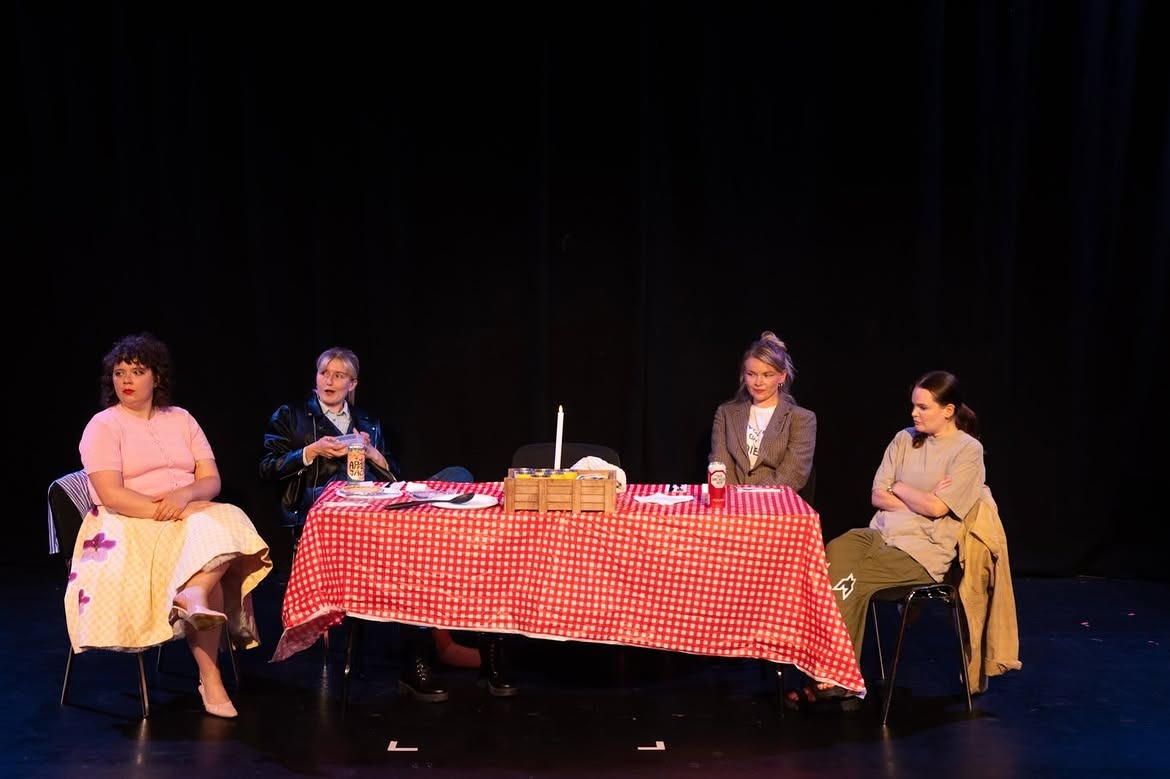
The play opens with a detail that does a great deal of work very quickly. While the rest of the ensemble are dressed in Spice Girls attire, Nancy, the disillusioned queer at the centre of the story, finds her costume paired with her crush Sasha's neanderthal suit, immediately positioning her as the group's outsider before a word has been spoken. It is a choice that captures the essential cruelty of social conditioning with real precision: Nancy is not excluded through malice but through the group's unexamined assumptions about what belonging looks like. From that moment, the production demonstrates a clear and confident understanding of how identity is policed not by enemies but by friends who cannot quite see past the limits of their own comfort.
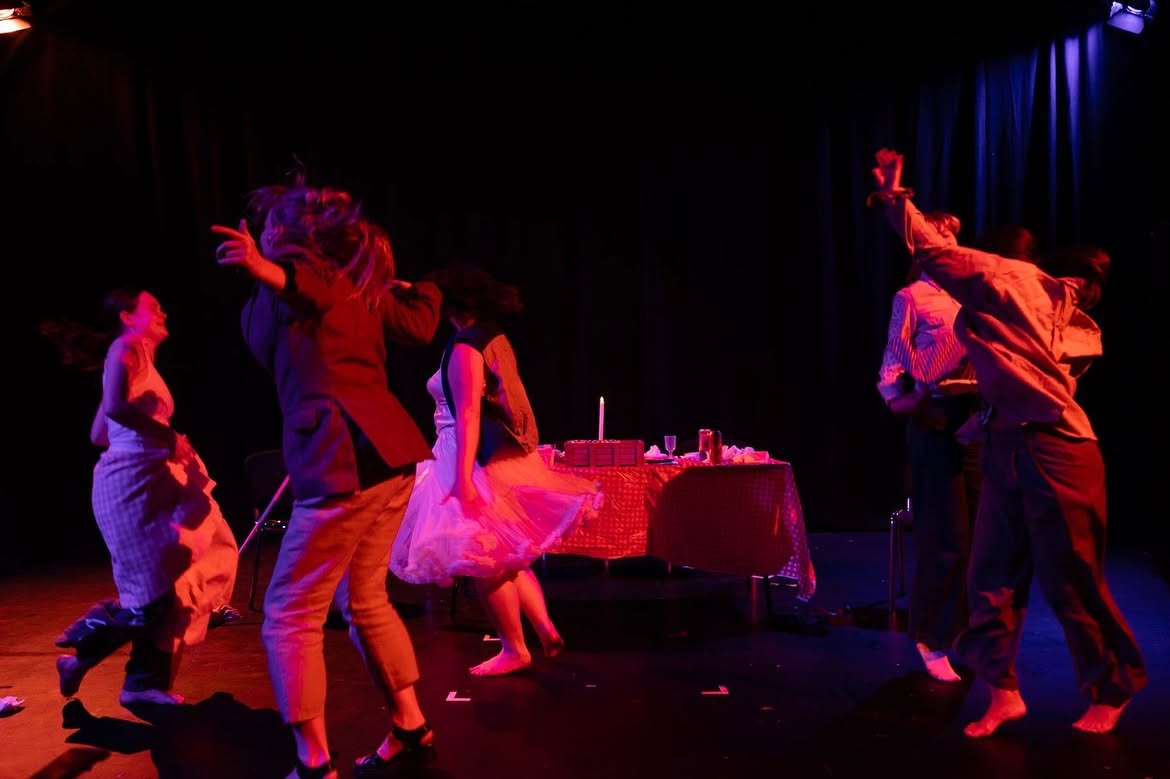
What works especially well is the wit and specificity of Harris-Dean's writing. The dialogue moves between sharp comic observation and genuine emotional tenderness without ever straining for either, and the structural conceit of Nancy navigating her path to self-acceptance with the help of four lesbians from across the twentieth century gives the play both its playful energy and its historical depth. When the action shifts to Bristol custard tin entrepreneur Les and her forbidden lover Katie, the scene resonates not just because it is funny, which it is, but because of everything it implies about the compromises people have made and continue to make simply in order to exist. The script consistently trusts its audience, which at sixty minutes is one of its most admirable qualities.
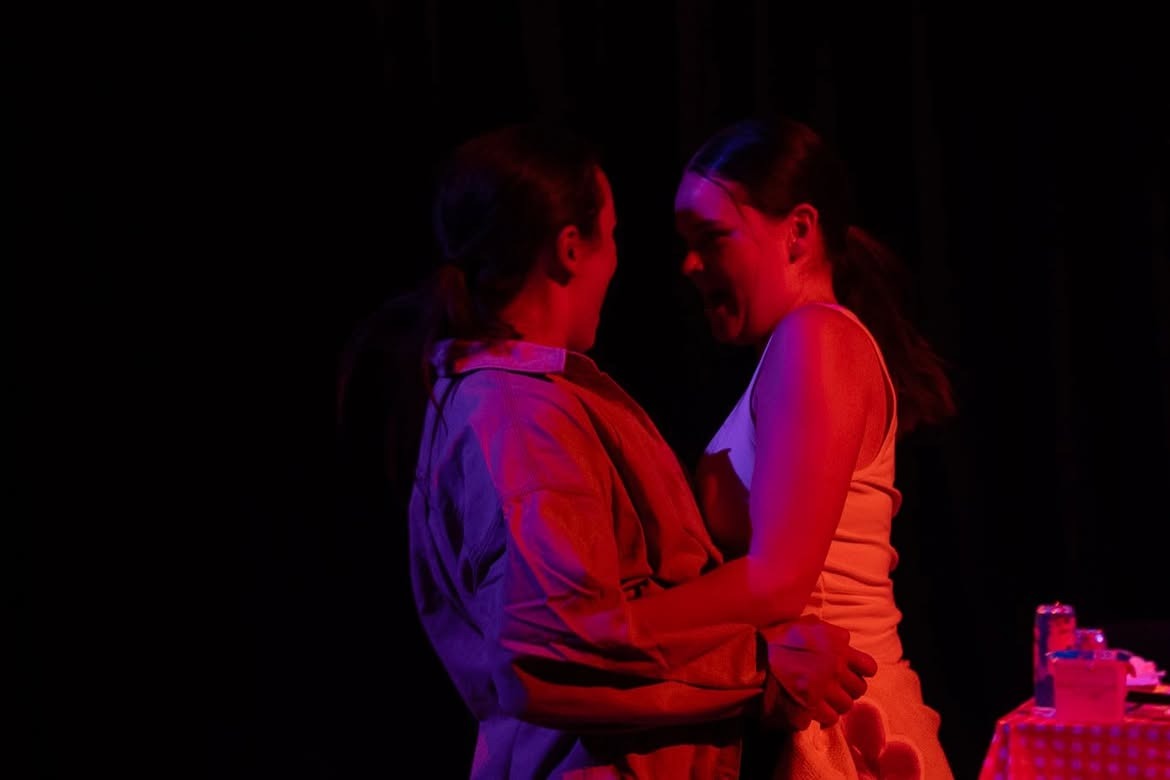
The ensemble performs with an infectious commitment that elevates every scene. Lucy Miller's transformation from the enforcer of Nancy's social footing to the laidback, self-made Les is particularly striking; the shift in posture and energy is complete enough to feel like two entirely different people, while the thread connecting them remains legible throughout. Elizabeth Harrison's sexually charged lady-farmer Hilda, all slogan tees and barely suppressed glee, provides some of the evening's most delightfully broad comedy. Esther Wellbrock's Chris, car keys on a carabiner, naturally is a beautifully observed archetype. And Alix Addinall's Betty-Lou, the repressed 1950s housewife navigating desires she has spent a lifetime refusing to name, gives the production its most quietly moving passages, her hyper-feminine swing skirt becoming almost poignant by the time the play reaches its conclusion.
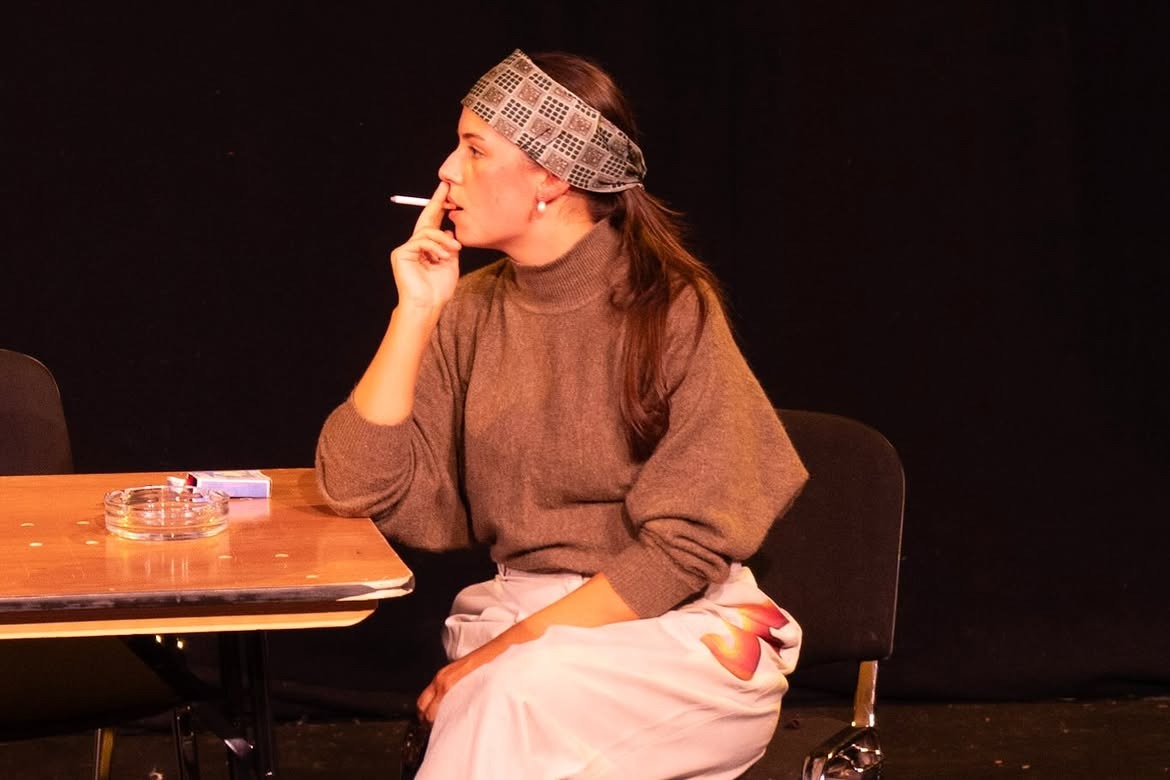
The production's design serves the storytelling with a confident lightness. The wardrobe does considerable work in establishing and then complicating each lesbian archetype the play visits, and the way the same cast transitions between Nancy's original unsupportive friend group and the later ensemble of queer dinner guests playing the contrast without ever underlining it speaks to a sharp directorial instinct for what the material needs.
One of Custard Tarts' greatest strengths is the way it holds hilarity and heartfelt reflection in such easy balance. The comedy never feels inserted for relief; it grows from character and cultural observation, rooted in a genuine understanding of queer history from the Hays Code to Adrienne Rich, from Spice Girls homoerotics to the semiotics of carabiner key clips. These are jokes that know what they are doing, which makes the quieter moments Betty-Lou's dawning recognition, Nancy's final act of anonymous courage land with a weight that genuinely surprises.
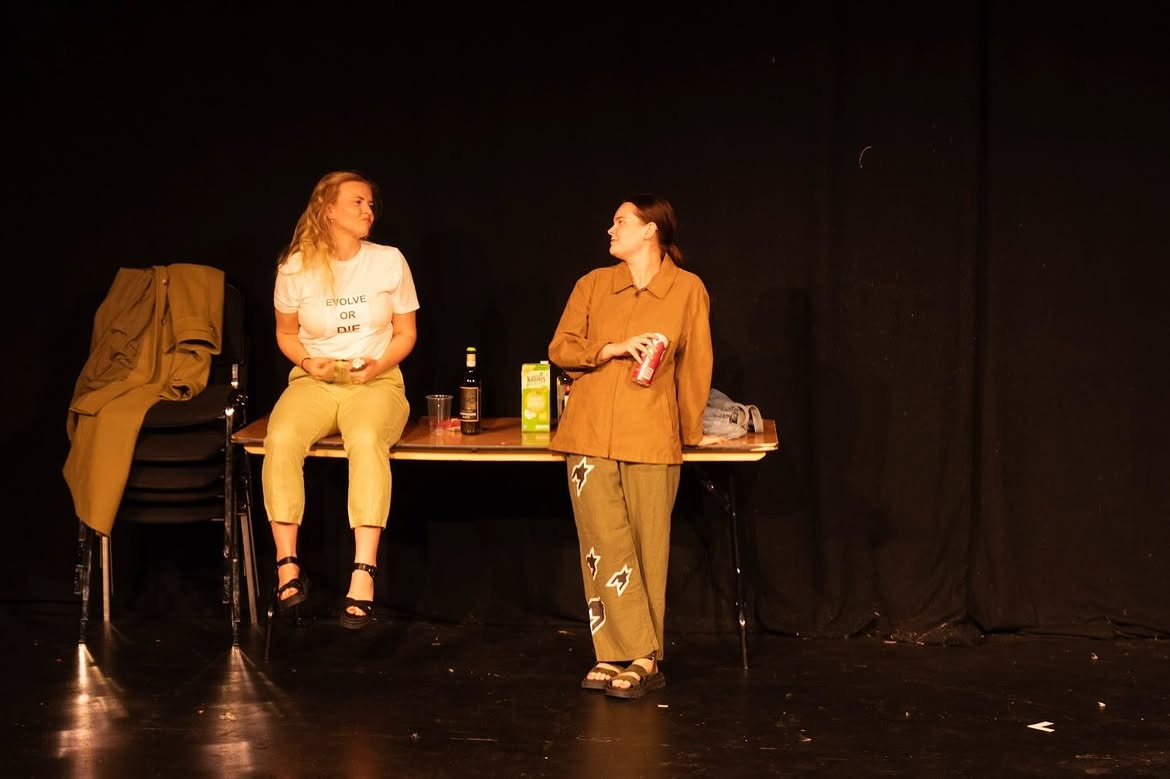
There are moments where the play slows and allows Nancy to simply sit with where she has arrived outside the social mould she was handed, and finally, unashamedly herself. These passages give Custard Tarts its real emotional centre. Alice Harris-Dean is an energetic and generous storyteller who understands that queer joy is not the absence of pain but what becomes possible when you stop letting the pain make your decisions for you. At sixty minutes, the show does not outstay its welcome by a single second if anything, you leave wishing there were more.

