

A Slow Fire at Jermyn Street Theatre: A Haunting Meditation on Hope After the End
A Slow Fire at Jermyn Street Theatre is the UK premiere of a compelling new play by Simon Stephens, directed by Rex Ryan. Part psychological thriller and part intimate character study, the play imagines a world long after an unnamed apocalypse, where survival depends as much on hope as it does on food and shelter. Ashton and Reece spend their days hidden inside a bunker on the edge of an imaginary city, retelling stories from the world that existed before everything changed. When a mysterious stranger named Presley arrives, his presence raises an unsettling question: is he offering salvation, or simply another story that is easier to believe than the truth?
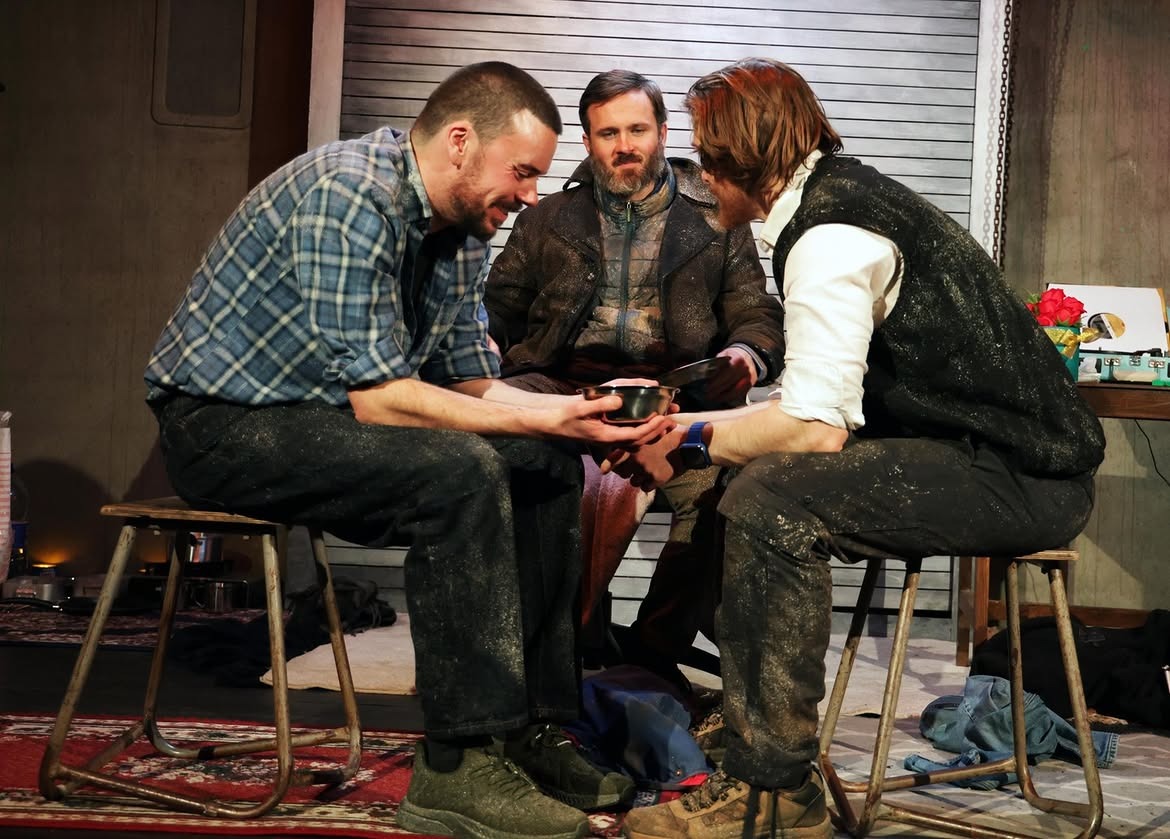
The play begins in near silence. Inside the bunker, Ashton and Reece move through familiar routines with quiet precision, as though every gesture has been repeated countless times before. Their conversations drift effortlessly between memory and make-believe, blurring the line between performance and reality. Before long, the audience realises that storytelling is not simply entertainment for these men; it has become a way of surviving.
What works especially well is the script's refusal to explain everything. Rather than focusing on how the world ended, Simon Stephens explores what remains after certainty disappears. The dialogue is layered with humour, longing and doubt, allowing ordinary conversations to carry extraordinary emotional weight. A simple statement, "The hope is what matters," resonates throughout the production, becoming both a comfort and a challenge as the story unfolds.
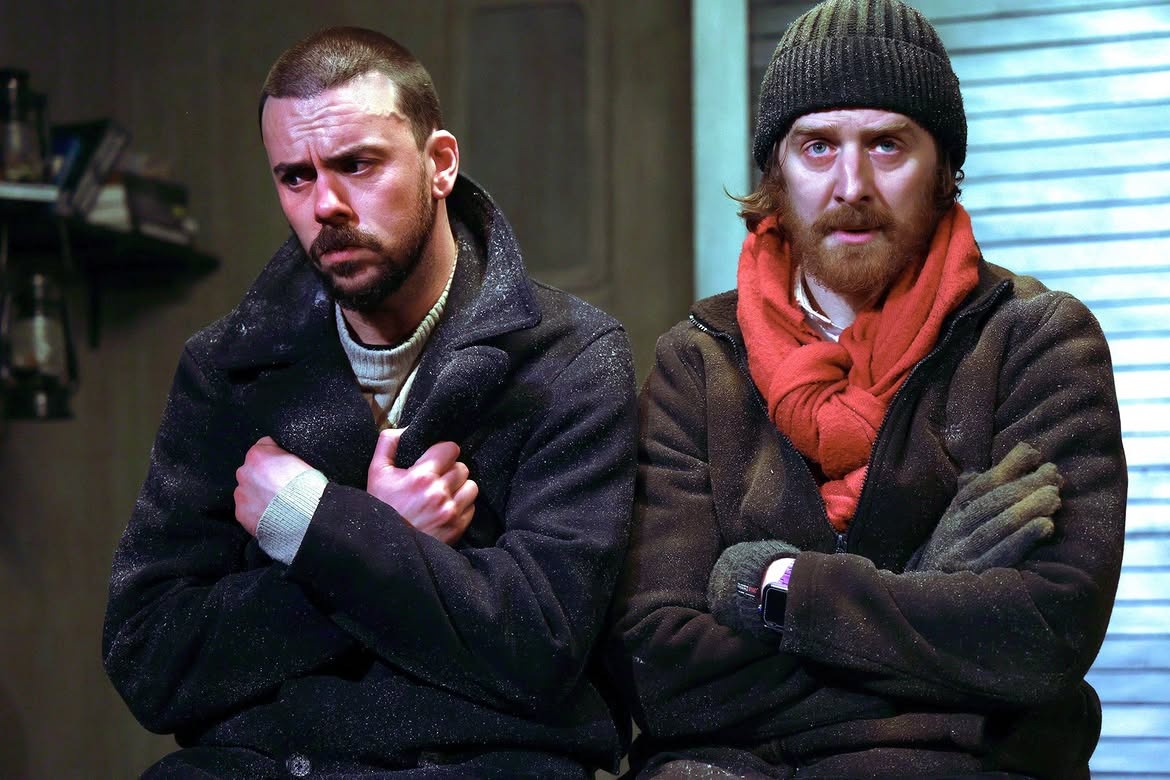
The performances are beautifully measured. Ross Gaynor brings quiet resilience to Ashton, balancing weariness with an enduring determination to preserve meaning in an increasingly uncertain world. Ian Toner gives Reece a gentle vulnerability, revealing a character whose optimism and fear constantly exist side by side. When Fionn Ó Loingsigh enters as Presley, the energy of the play subtly shifts. His calm confidence introduces an undercurrent of suspense, leaving the audience questioning whether his stories should be believed or resisted. The chemistry between the three actors creates a tension that steadily grows without ever becoming overstated.
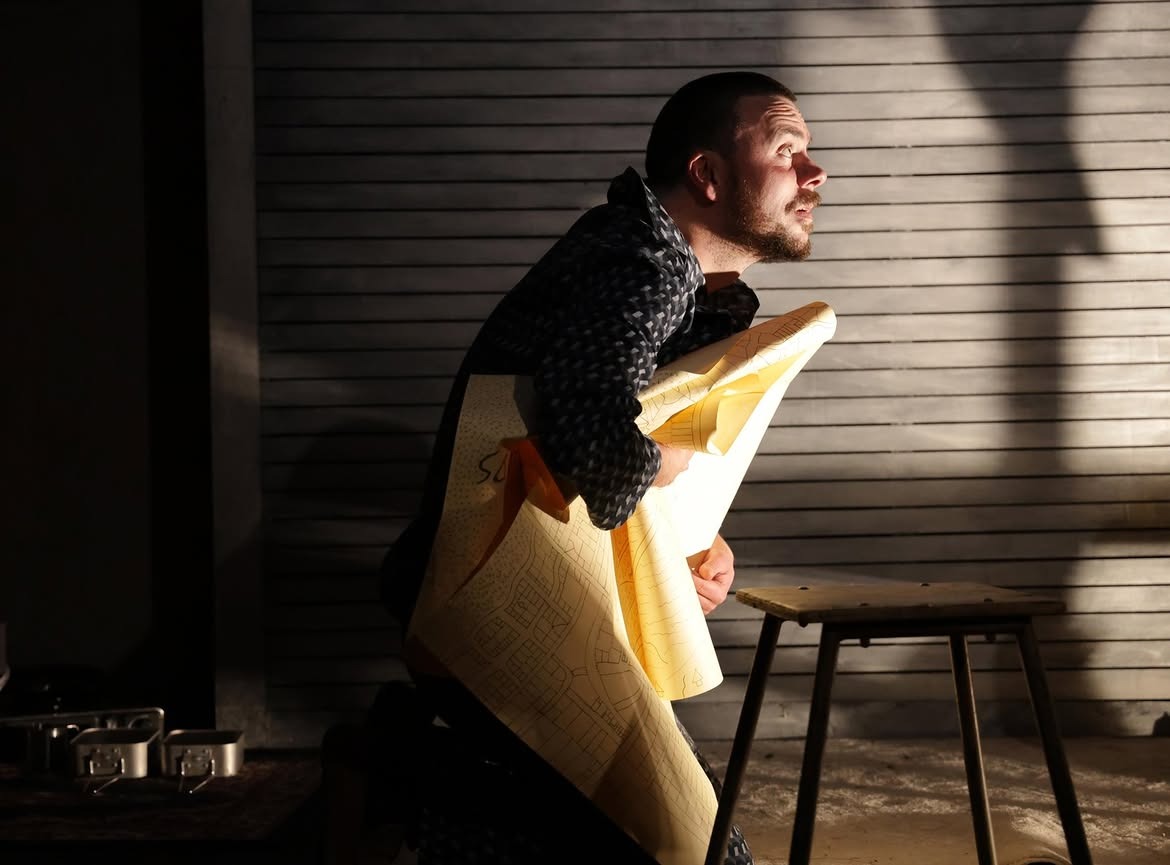
Rex Ryan's direction embraces the intimacy of the space. Rather than relying on dramatic spectacle, he allows silence, stillness and carefully paced interactions to shape the emotional rhythm of the evening. The bunker feels simultaneously like a place of refuge and confinement, with Migle Ryan's understated costume design reinforcing the sense of lives suspended in time. Meanwhile, Jess Fitzsimons Kane's lighting quietly transforms the atmosphere, shifting between moments of warmth, isolation and unease without distracting from the performances.
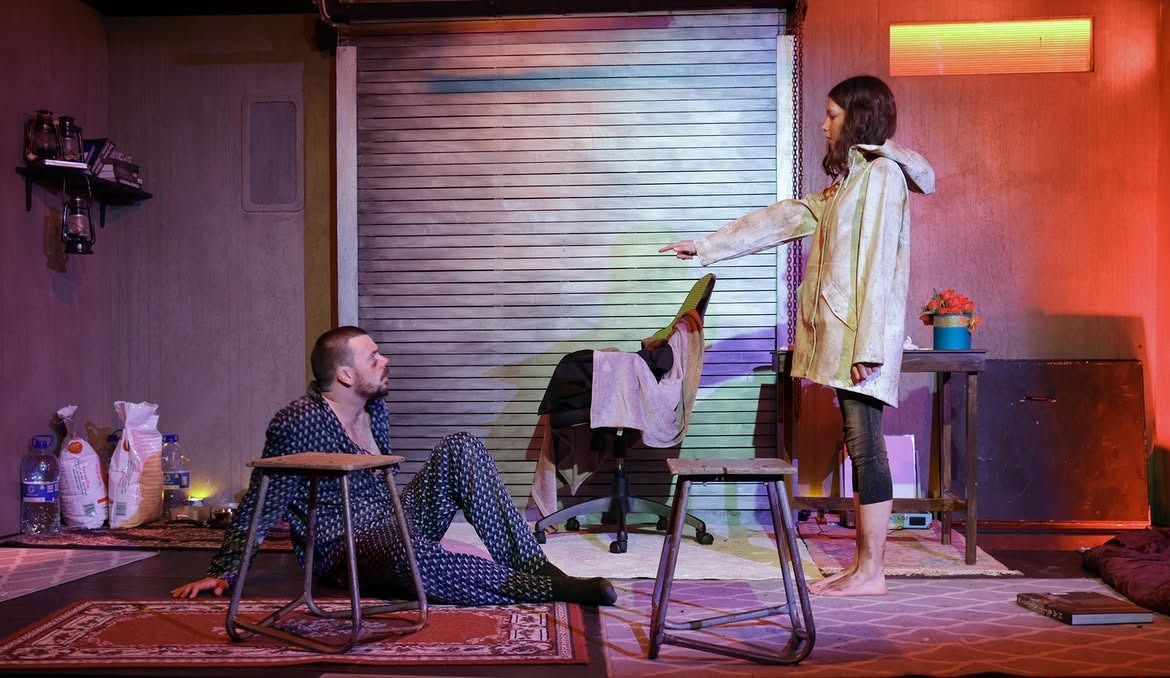
One of the production's greatest strengths is its treatment of imagination. The stories Ashton and Reece tell become miniature performances within the play itself, reminding us how memory can preserve humanity even when the physical world has fallen apart. These moments of playfulness provide welcome contrast to the darker questions surrounding trust, survival and the cost of hope.
There are passages where the pace deliberately slows, allowing conversations to linger and silence to settle between the characters. Rather than interrupting the momentum, these pauses deepen the emotional impact, giving the audience time to absorb the uncertainty that defines the characters' existence.
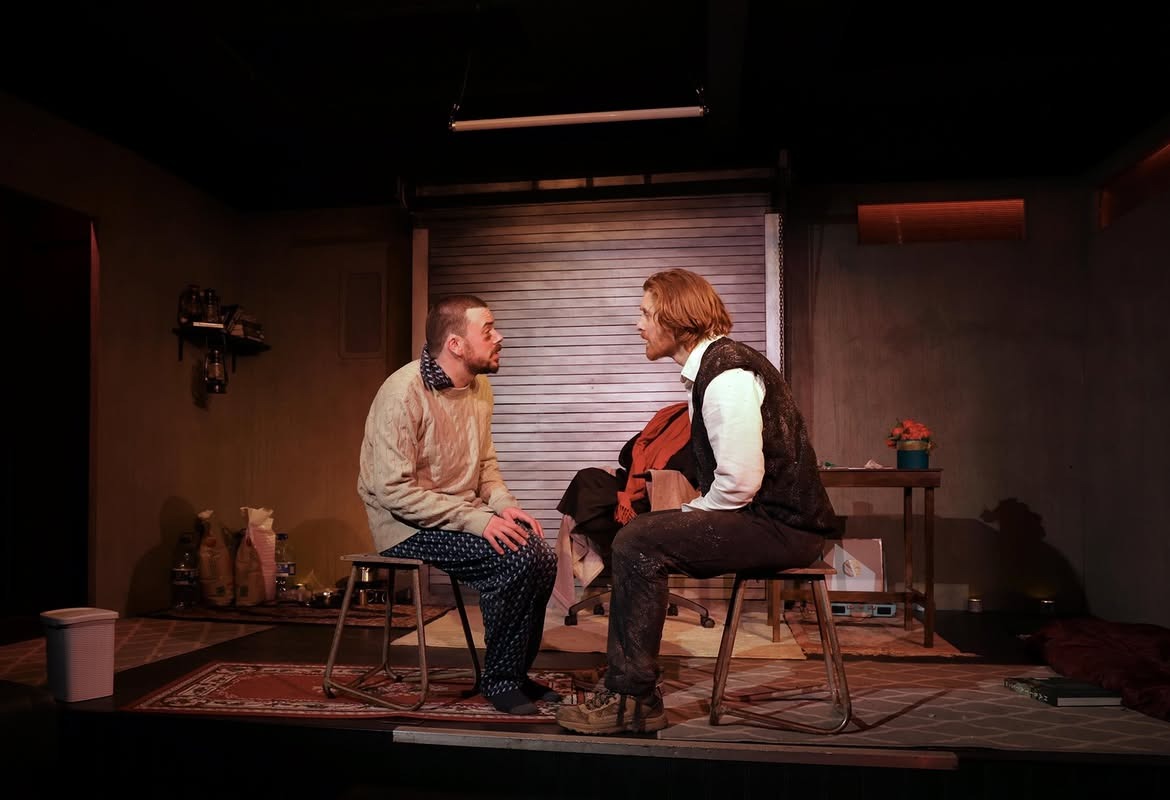
A Slow Fire succeeds because it finds profound emotion in restraint. Through Simon Stephens' thoughtful writing, Rex Ryan's sensitive direction and three deeply committed performances, the production becomes less a story about the end of the world than about the fragile determination to keep believing in another tomorrow. It is intimate, unsettling and quietly unforgettable.

