

Some productions feel like genuine occasions, not just another night at the theatre but something you sense you will be talking about for a long time afterwards. Tartuffe (Remixed), written and directed by Darren Raymond and running at the Marylebone Theatre, is one of those productions. Returning to Marylebone following his sell-out performance of Venus and Adonis, Oscar and Olivier Award winner Mark Rylance takes on the titular role in this boldly reimagined new version of Molière's classic comedy, and the result is theatre that is simultaneously rooted in a 360-year-old satirical masterpiece and entirely, urgently alive to the present moment.
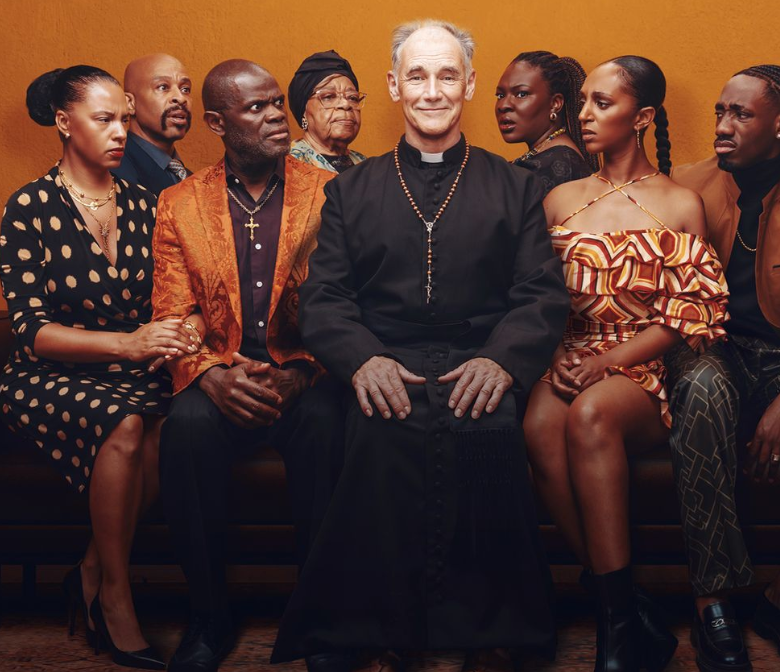
The Afolabi-Williams family gathers at Oga Afolabi's mansion as preparations begin for the wedding of his daughter. With relatives arriving from far and wide, family traditions are in full swing, emotions are running high and opinions are never in short supply. But when Tartuffe, a charismatic man of God who has won Oga's unwavering trust, takes up residence in the family home, old wounds reopen, loyalties are tested and faith itself becomes a battleground. The production establishes this world with an energy that is immediate and infectious. An early scene in which the family debates Tartuffe's motives across the dinner table, some suspicious, some devoted, most too polite to say what they actually think, says more about how manipulation operates within close communities than any lecture could. From that moment onwards, the production demonstrates a precise and playful understanding of how trust is won, and what it costs when it is betrayed.
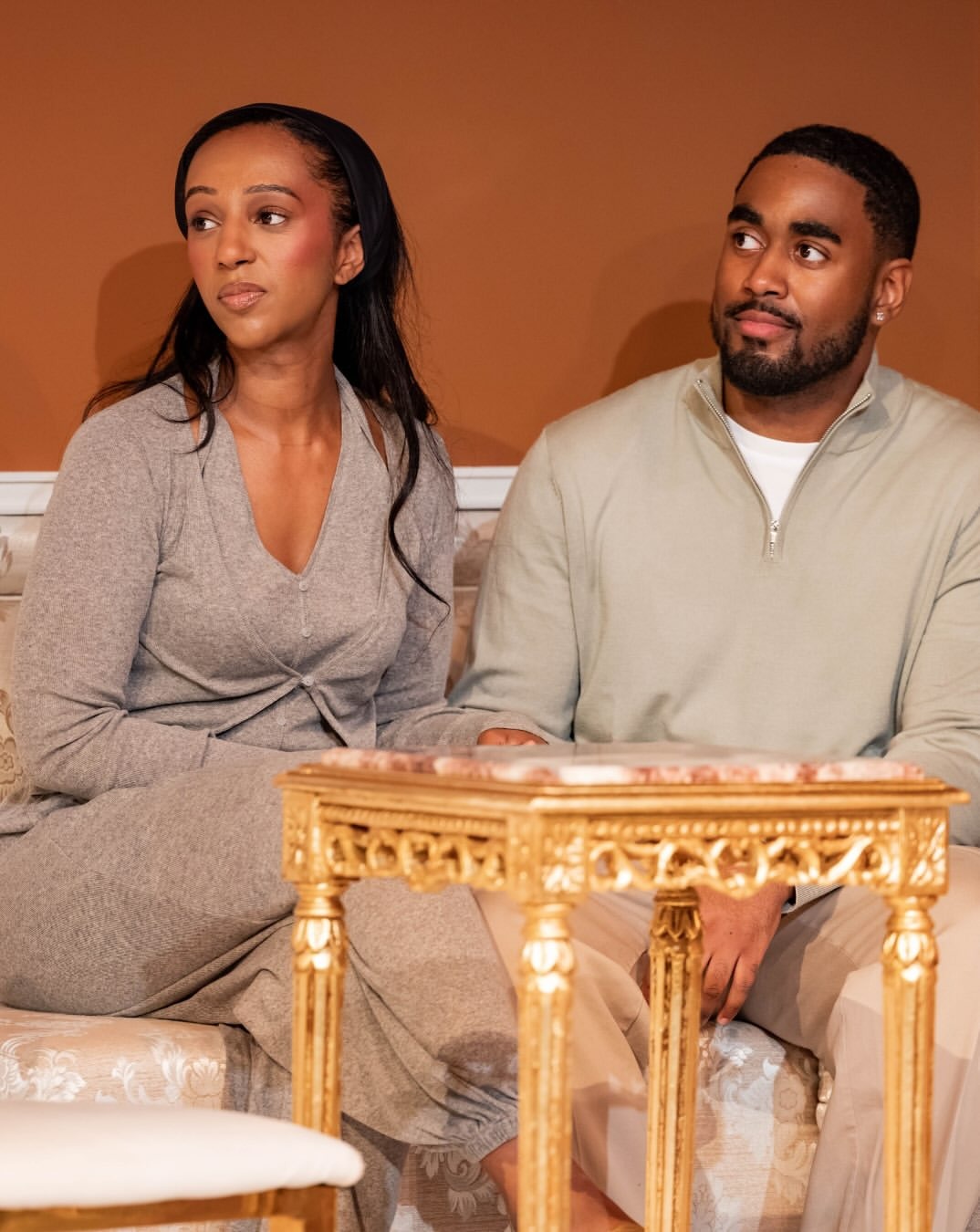
What works especially well is the confidence and originality of Raymond's adaptation. Blending spoken word, music and rhyming verse, and reimagined through the lens of a contemporary Nigerian-Jamaican family, the writing moves between sharp comic invention and genuine emotional weight with a naturalness that feels wholly earned. The rhyming couplets, which could easily tip into gimmick, instead become the production's secret weapon, giving the dialogue a rhythm and momentum that keeps the comedy crackling without sacrificing the seriousness underneath it. When a character delivers a line that lands as both joke and accusation, the double register is not a trick; it is the point.
Rylance is joined by Sara Mokonen, Christopher Mbaki, Morenike Onajobi, Usifu Jalloh, Craig Blake, Nakeba Buchanan and Blanche Williams, many with long-standing ties to Intermission Youth and its professional ensemble. The ensemble performs with a warmth and collective spirit that reflects the company's roots. These are actors who trust each other on stage, and that trust generates a quality of listening and response that money cannot buy. Small physical details accumulate into something significant: a glance of suppressed scepticism across the room, a smile that widens just a fraction too much to be entirely sincere, a moment where two characters register the same suspicion simultaneously and then, by mutual unspoken agreement, say nothing.

The production reunites Rylance and ULTZ, the Olivier Award-winning and Tony-nominated set and costume designer, who have collaborated on multiple productions together including Jerusalem and Much Ado About Nothing. Simisola Majekodunmi joins as lighting designer. ULTZ's design grounds the production in a domestic world that feels specific and inhabited by the Afolabi-Williams home, which has a history you can sense in the details, while Majekodunmi's lighting shifts the atmosphere between scenes with a subtlety that serves the storytelling without drawing attention to itself.
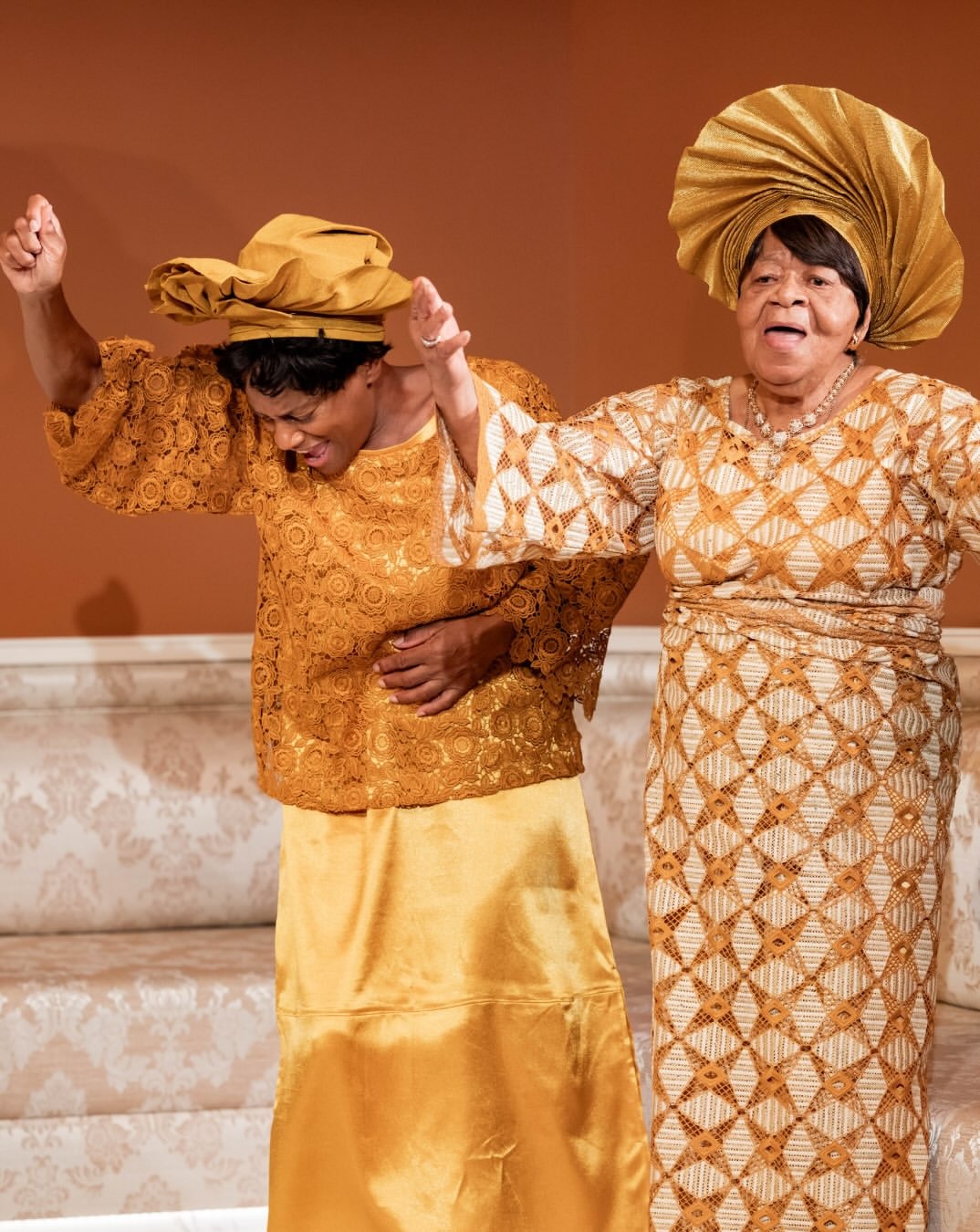
One of the production's greatest strengths is the way it holds comedy and moral seriousness in genuine balance. The family dynamics are drawn with both affection and honesty, capturing the warmth and the friction that coexist in any household where people love each other enough to argue. The comedy never feels applied for relief; it emerges from character and circumstance, which means that the moments when the play turns serious, when faith becomes manipulation, when loyalty becomes complicity, carry real weight precisely because the laughter has done its work so thoroughly.
There are passages where the production slows, and characters are allowed to sit with uncertainty rather than resolve it immediately, moments where the play considers what it means to speak truth to power within a family, within a faith community, within a culture that values loyalty as deeply as it values honesty. These are among the most valuable sequences in the evening. Darren Raymond's direction understands that Molière's comedy has endured for over three and a half centuries not because it is simply funny, though it is very funny indeed, but because the questions it asks about credulity, devotion, and the abuse of trust are ones that every generation has to answer for itself. This production answers them with style, wit, generosity and real theatrical conviction.

