

Reformation and Ruin at Southwark Cathedral: Suzannah Lipscomb on the Scars Henry VIII's Break With Rome Left Behind
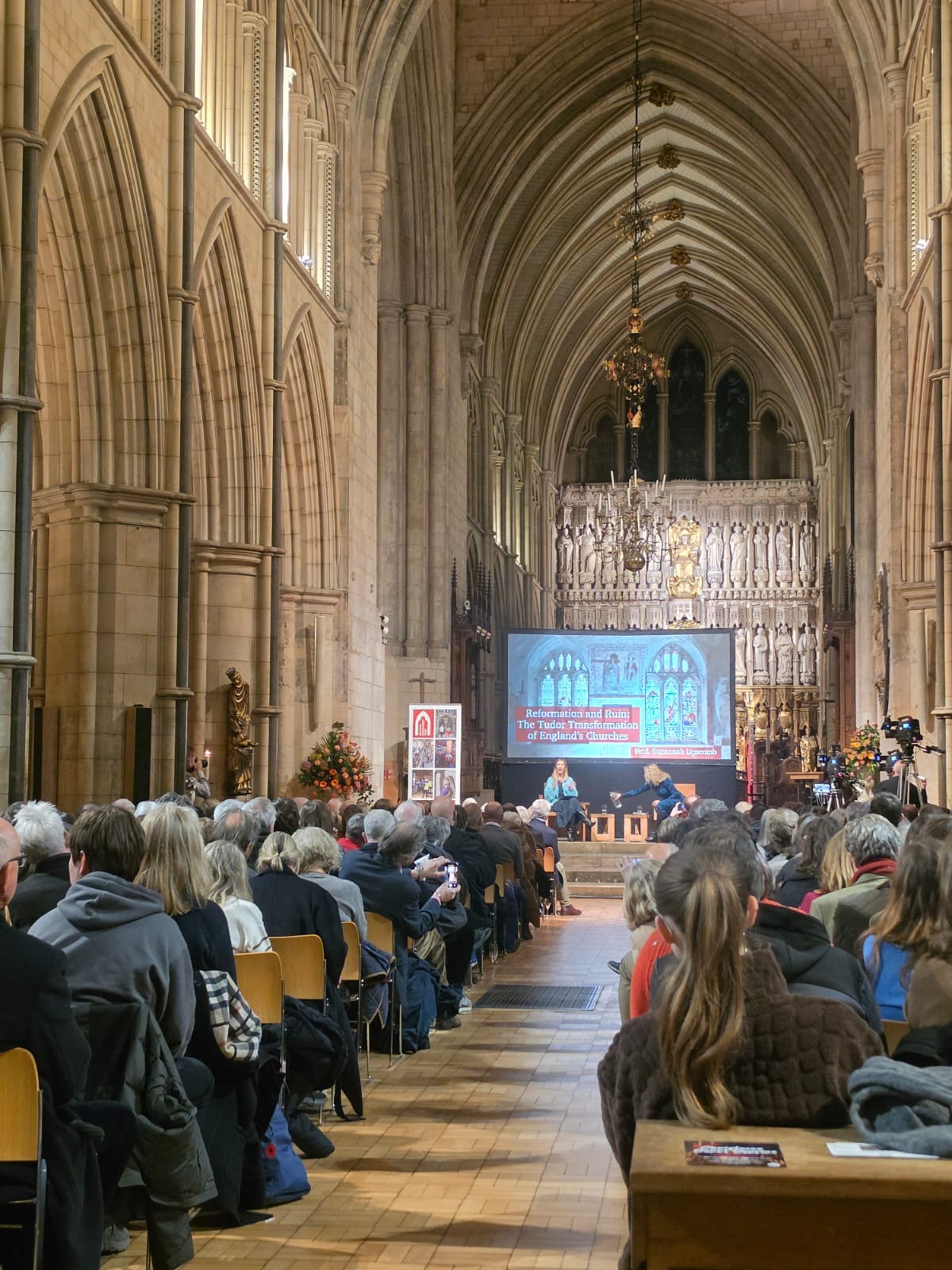
Reformation and Ruin: The Tudor Transformation of England's Churches, the Churches Conservation Trust's Annual Lecture, is the kind of evening that reminds you why history is best heard in the building where it happened. Given by Professor Suzannah Lipscomb at Southwark Cathedral, it set out to explore how Henry VIII's break with Rome became the catalyst for a period of profound religious and cultural upheaval, and how that upheaval can still be read in the fabric of England's churches. Lipscomb is an award-winning historian, author, and broadcaster, and the Trust's Lecture Host, Vikki Jenner, an art historian, presenter, and podcaster, co-hosted the evening. With all proceeds going to the care of the more than 350 historic churches the Trust looks after, it was a worthwhile cause as well as a fascinating night.
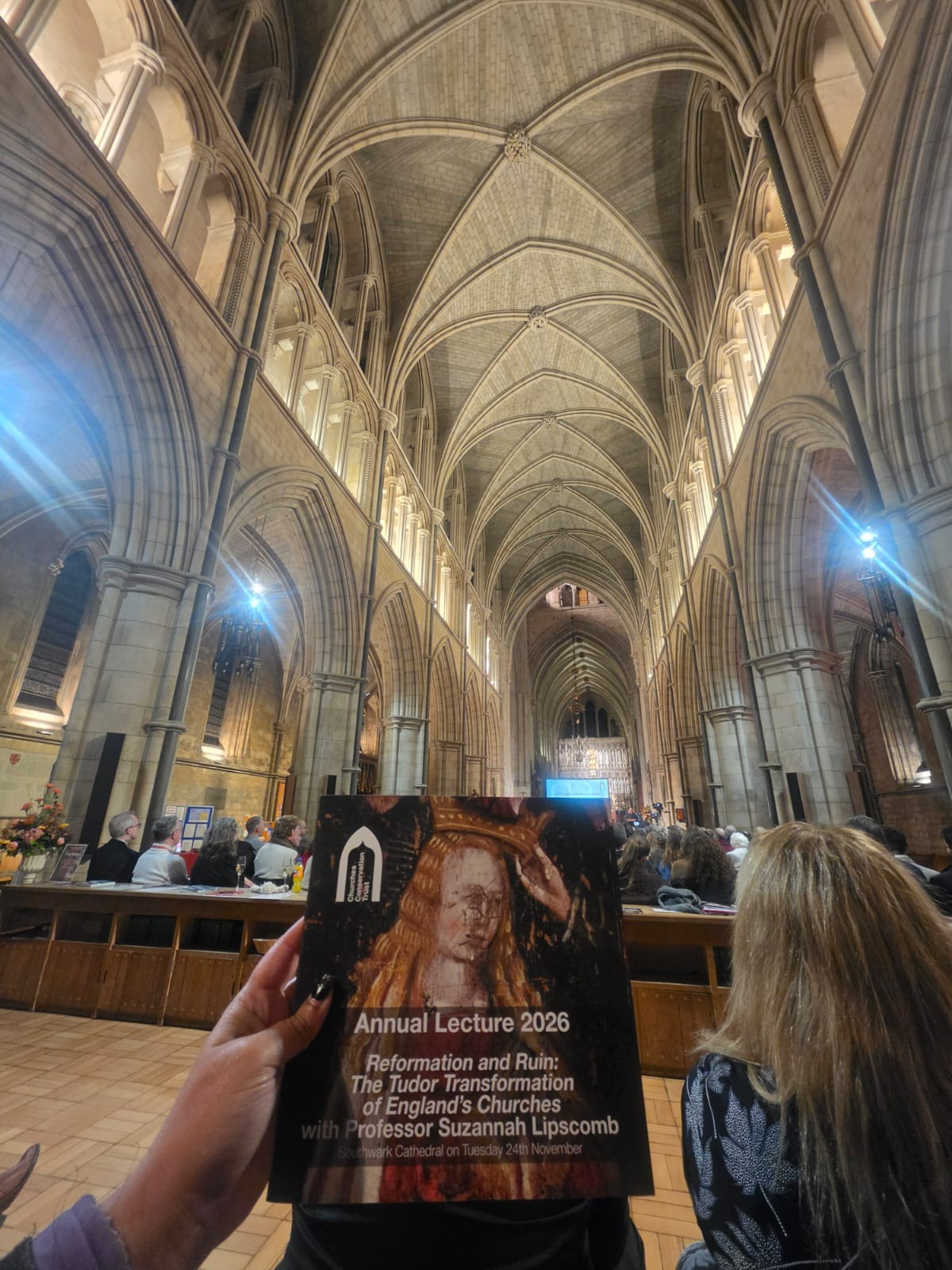
The setting did half the work. Southwark Cathedral is recorded in the Domesday Book, and it knows the Reformation personally. It began as the priory church of St Mary Overie, was surrendered to the Crown under Henry VIII, and from 1540 served as the parish church of St Saviour. Records suggest that in the 1550s part of the building was used as a bakery and a pigsty, which is just the kind of detail that makes the period feel real. Sitting in the nave listening to a lecture on the physical aftermath of the Reformation, you could feel the weight of the argument in the stones around you. A lecture on how churches were changed, given inside one that was, is a hard act to beat.
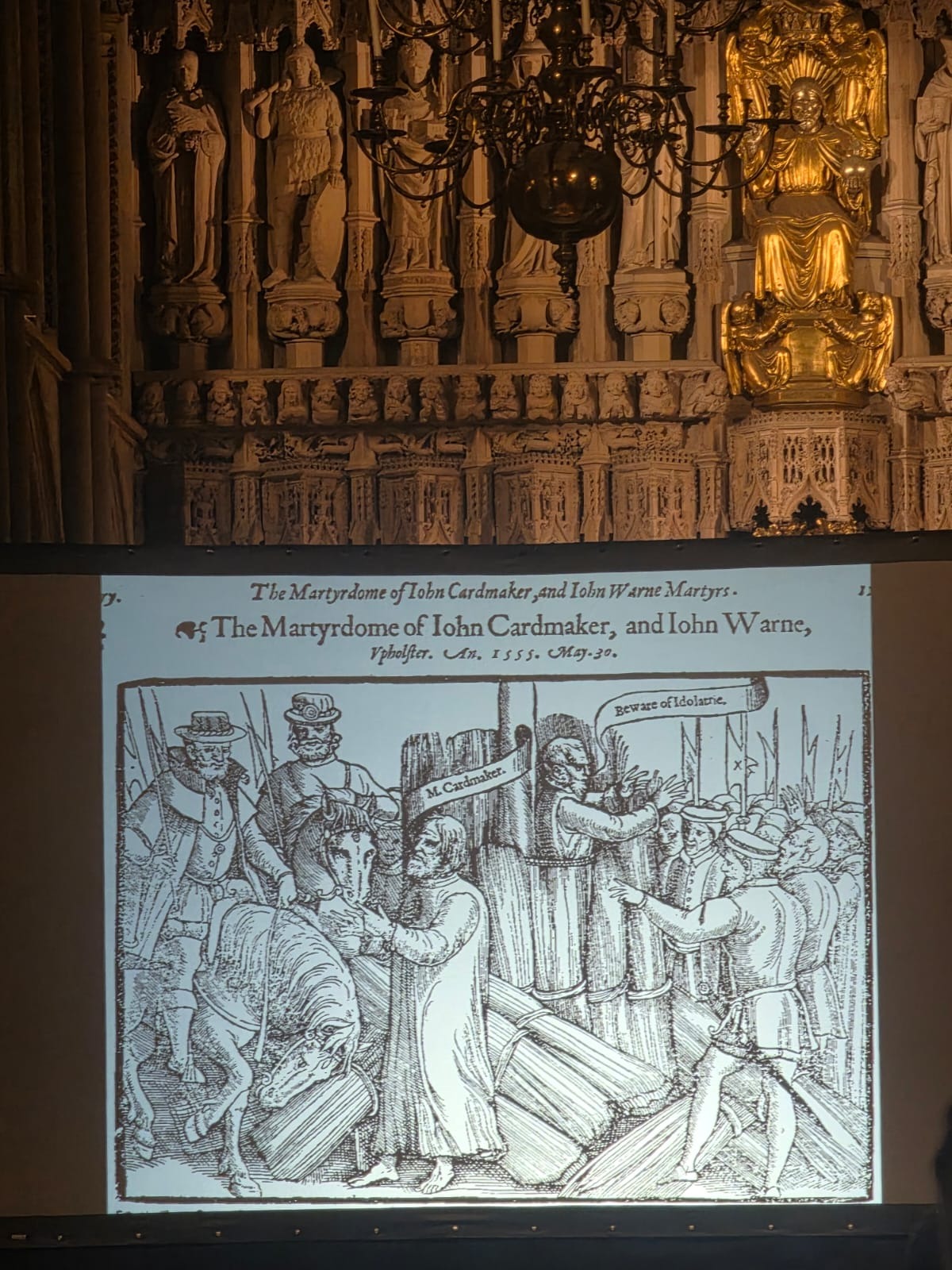
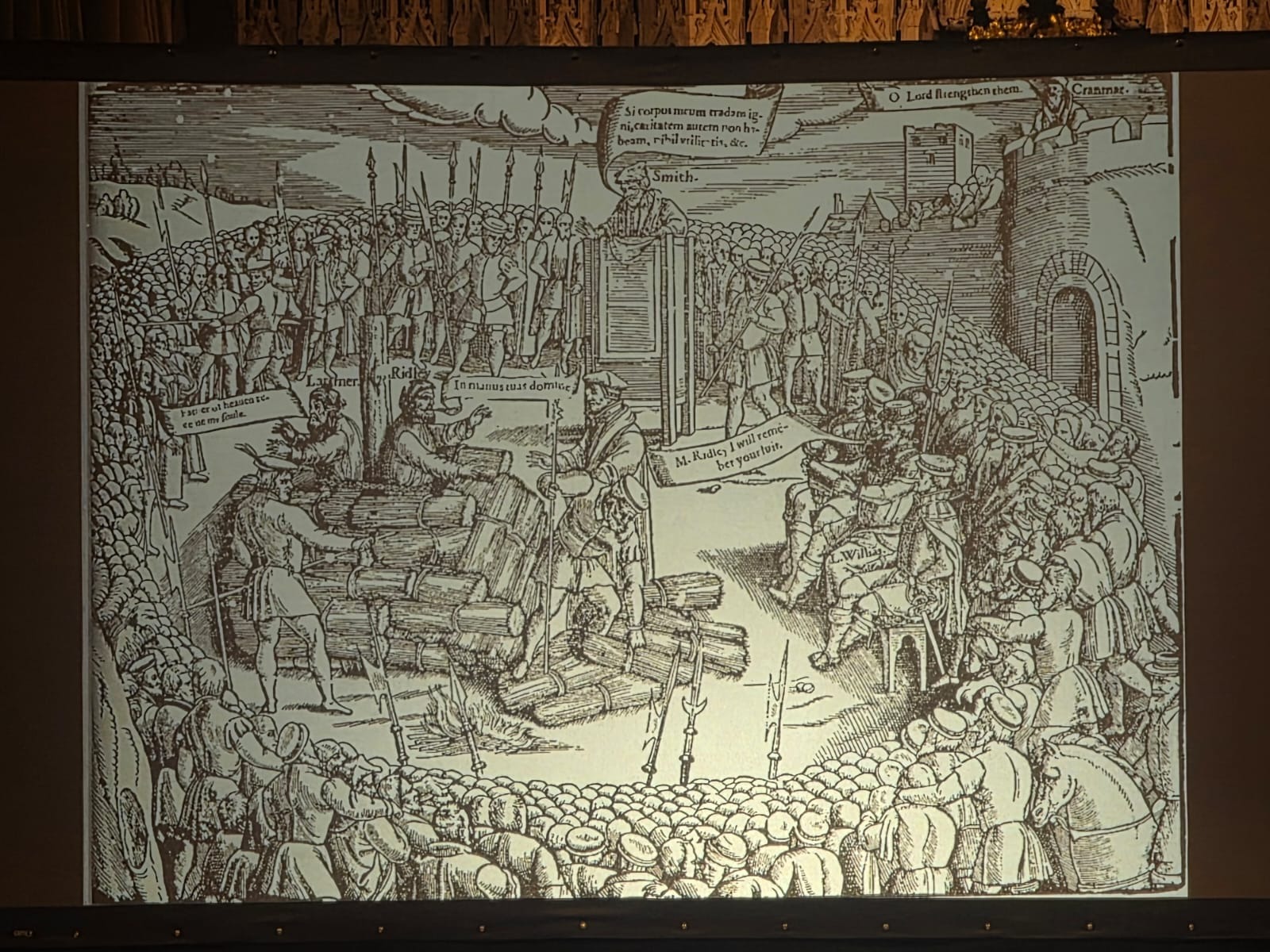
The central idea is simple and powerful: the English Reformation changed England's churches forever, and they still bear the scars. Lipscomb's talk follows that thread through the evidence the buildings themselves provide, such as wall paintings, defaced sculptures and damaged interiors, which reveal long-forgotten stories to anyone who knows how to read them. This is history as detective work, in which a scraped-away face or a whitewashed wall becomes a clue to what people believed, what they feared and who had the power to impose their view. From the start, the lecture treats these marks not as damage to be lamented but as testimony to be understood.
What works especially well is Lipscomb's gift for making large events personal. The Reformation can feel like a tangle of statutes, doctrines and dissolutions, but she is a skilled storyteller who connects the politics to the people living through them. Her work as a broadcaster shows in her pacing, her clarity and her ability to turn a complicated idea into something an audience can hold in its head. The evening gave the sense of a historian who knows the subject deeply and is happy to share it generously, which is why it works equally well for specialists and curious newcomers.
The partnership with the Churches Conservation Trust gives the lecture a sense of purpose. The Trust cares for more than 350 historic churches, each with its own layers of history, from medieval paintings and carved stone to Tudor alterations and later adaptations. The legacy of the Reformation is particularly visible in many of them, and the lecture is a reminder of why preserving these buildings matters. They are archives as much as places of worship, and what they record might otherwise be lost. The Dean and Chapter of Southwark Cathedral were generous hosts, and the combination of a cause, a venue and a speaker made the evening feel like an occasion.
One of the lecture's greatest strengths is its balance between scholarship and accessibility. The subject is grave, and the audience was clearly engaged, but the tone was warm and the delivery lively. Lipscomb treats the Reformation with the seriousness it deserves while acknowledging its human cost, and the conversation with Vikki Jenner gave the evening a natural rhythm and an easy, informal feel.

