

Donbas at Theatre503 is the world premiere of a powerful and urgent new play by Olga Braga, winner of the 2025 Theatre503 International Playwriting Award. Directed by Anthony Simpson-Pike in this intimate fringe space, the production follows Sashko, newly released from a Russian prison, as he returns to his family in a small Ukrainian town buffeted by war. With a cast of six and creative support from Good Chance and 45North, the piece asks how people keep living, laughing and dreaming even as everything around them unravels.
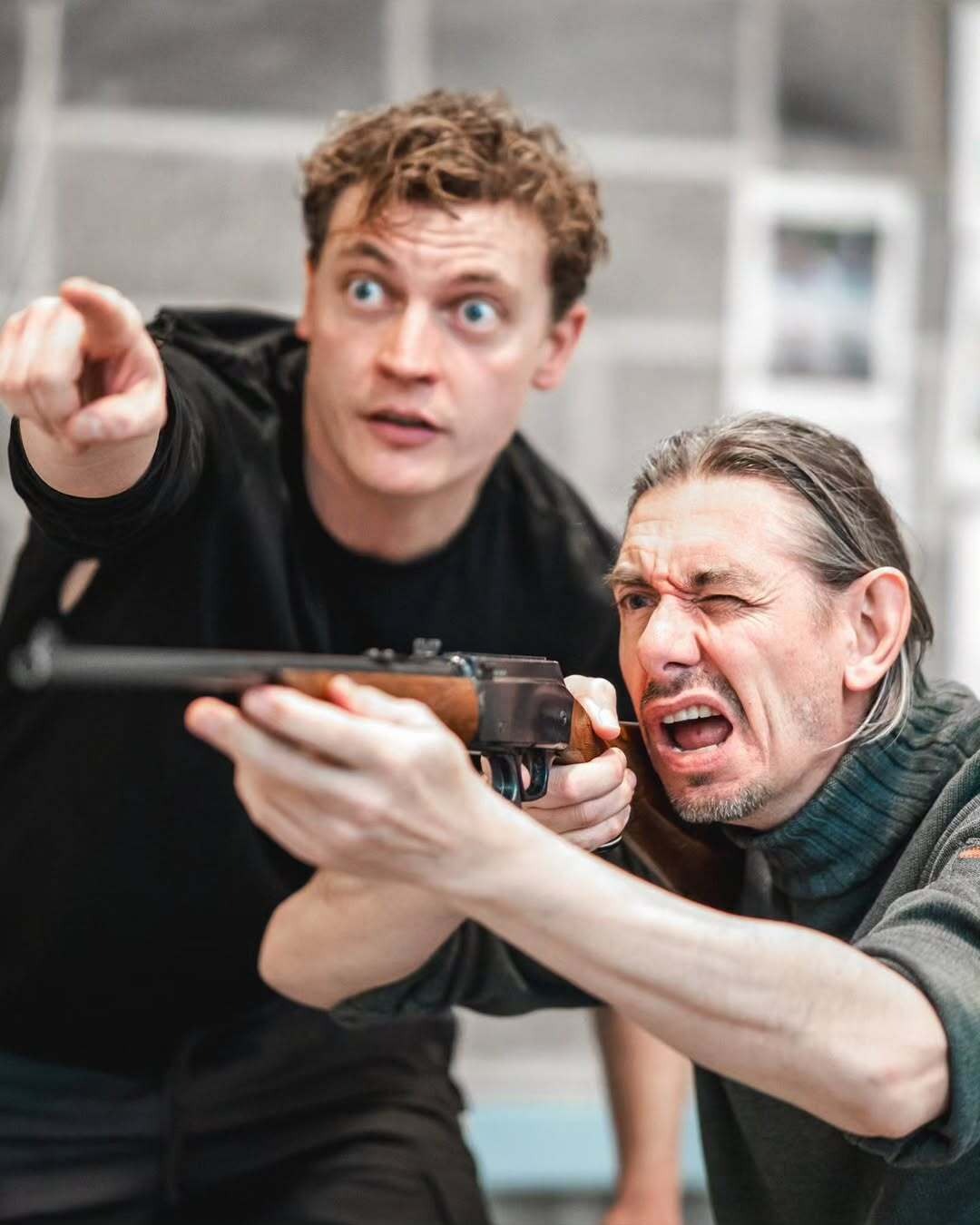
The first moment that lingers is a scrape of a chair on the simple set as Sashko steps back into his father Seryoga’s home. Overhead, a low rumble in the sound design, distant planes, maybe missiles, maybe wind, reminds you this isn’t just a domestic drama; it’s a story told under pressure. That subtle interplay between the ordinary and the ominous runs throughout the evening, anchoring the unfolding relationships in lived experience rather than spectacle.
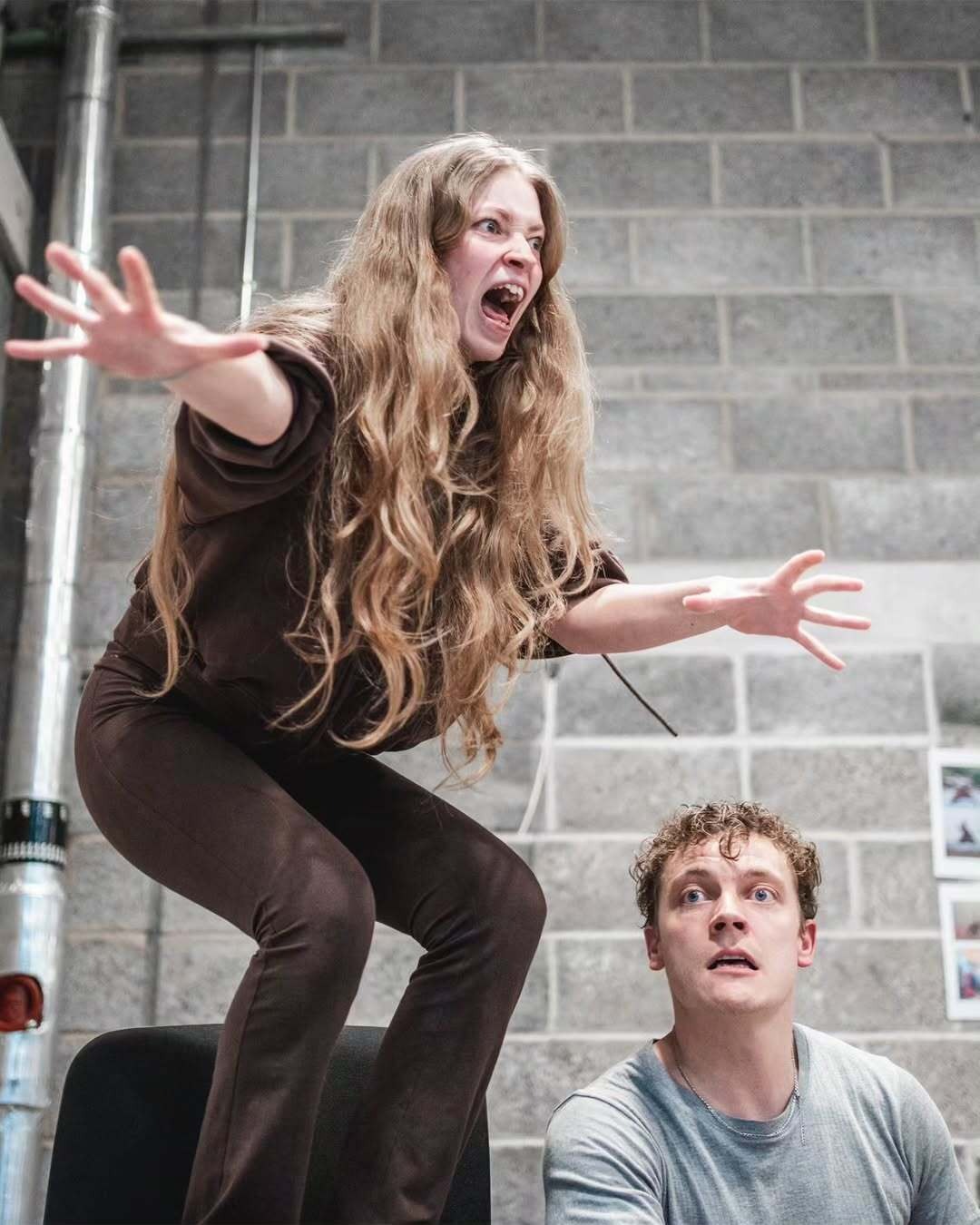
What works immediately is how Braga balances humour and heartbreak. In a scene thick with tension, Ivan asks, “What do you do when your brother is trying to kill you, Ivan?”, a line that lands with a darkly funny edge precisely because it’s delivered among everyday gestures: lifting a cup, leaning against a wall. These small choices ground the play’s larger questions about survival and connection without ever reducing its characters to symbols.
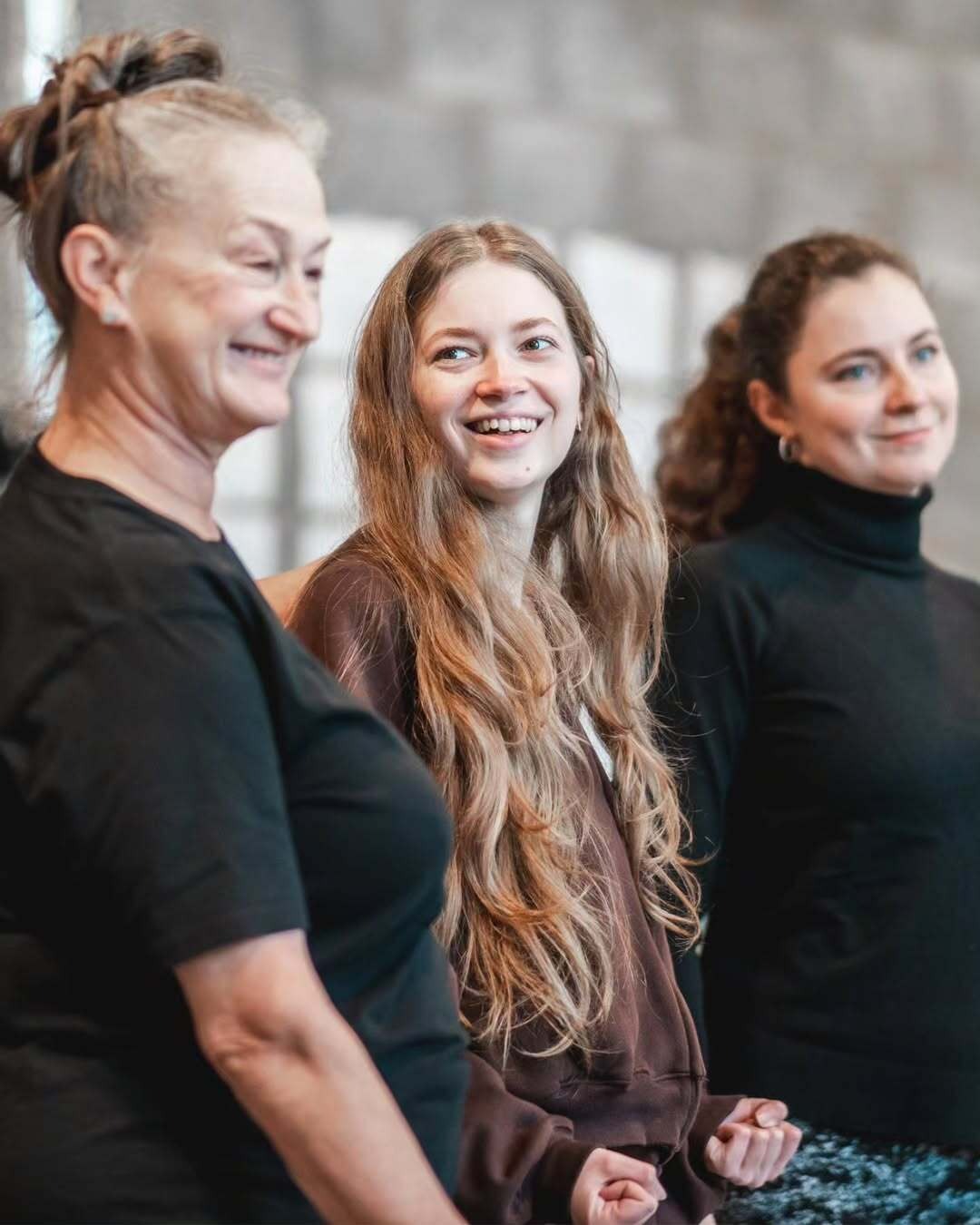
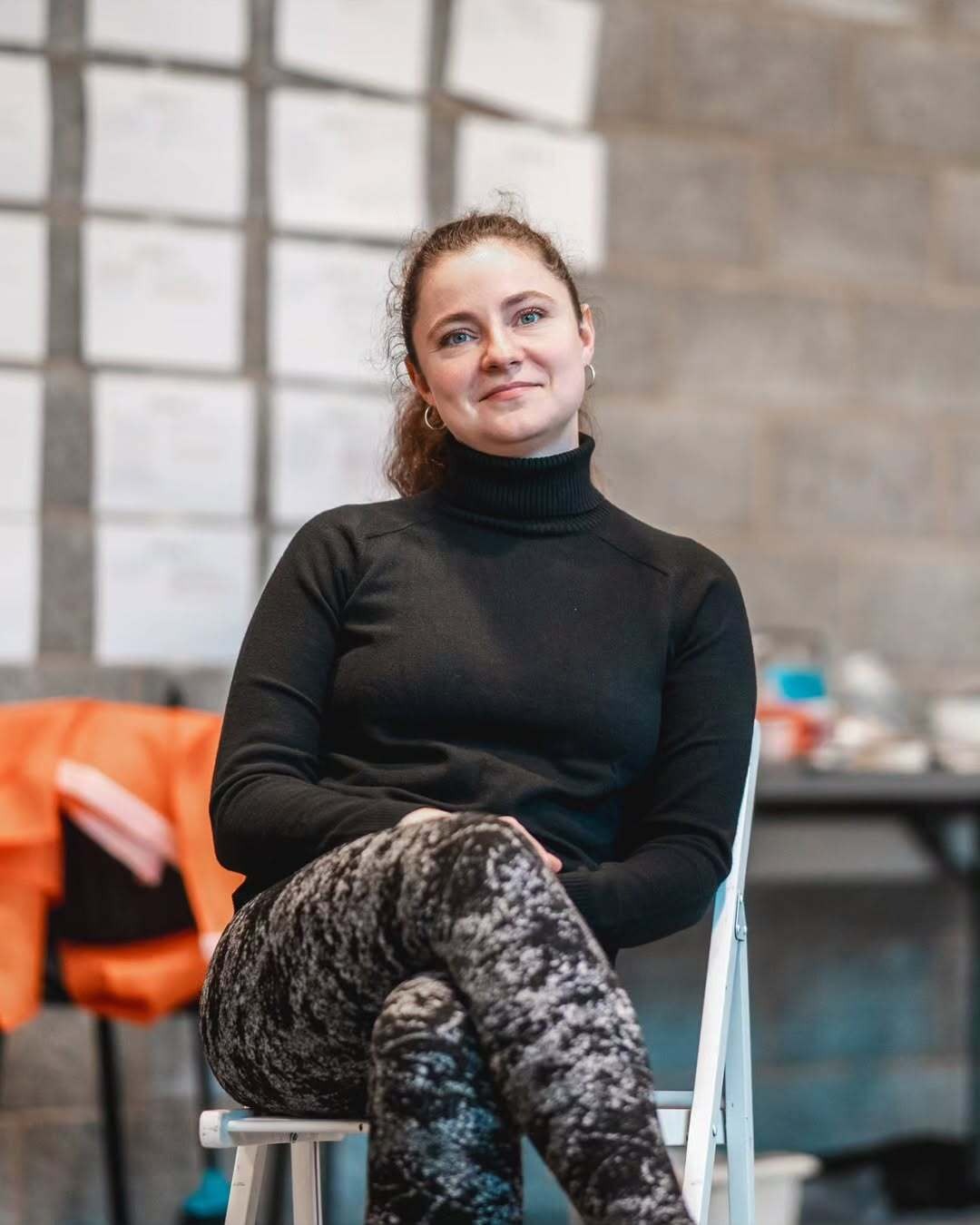
The ensemble cast brings texture to every corner of this fractured world. Jack Bandeira’s Sashko carries a restless energy that shifts as he negotiates the love and ambivalence of his family, while Ksenia Devriendt’s Nadya, playful, fierce, wounded yet unbowed, becomes the emotional conscience of the piece. Liz Kettle and Philippe Spall bring life to neighbours who argue, flirt and carve out moments of light in the dusk of conflict.
Design elements including Niall McKeever’s set, Chris Nairne’s lighting, Xana’s soundscape, don’t shout, but they whisper truths. A single wash of light across a battered coat, the distant echo of a horn, the way a table is set, then unsettled again: these details let you feel the world of Donbas as much as you hear it.

Above all, Donbas succeeds because it treats its characters with full humanity. In a time when distant conflicts can feel abstract, this production invites you to sit with a family’s shared jokes, grudges and dreams, and to recognise that life’s ordinary moments continue even in the most extraordinary circumstances.

