

Calum Finlay’s comedy with music takes a bold “what if” and turns it into a lively portrait of a genius learning to claim her own story. We meet Fanny Mendelssohn at a hinge moment: a career-changing letter arrives for her brother Felix, and she decides to act. The opening third holds tight to plot and family stakes as that choice sets everything in motion. The middle third loosens into bright, almost pantomime play, with broad jokes, a wink to the audience, and a burst of mischief that lets the show try on bolder shapes. The final third gathers itself, returns to the narrative spine, and earns a conclusion that sits right for the character and her world. Throughout, the music is part of the action rather than a stop for a number, so songs feel like thought voiced aloud and the sound of a creative life fighting for space.
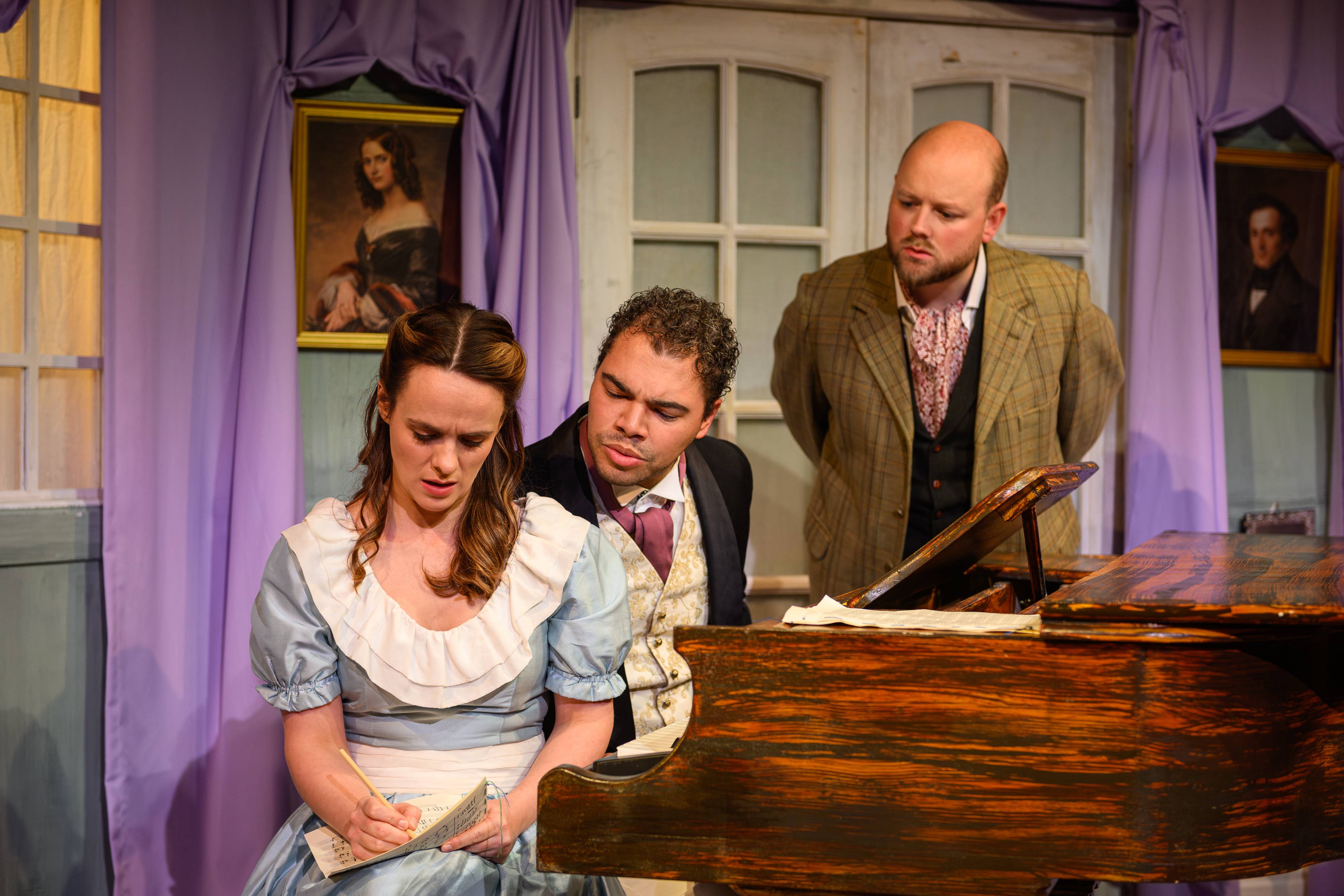
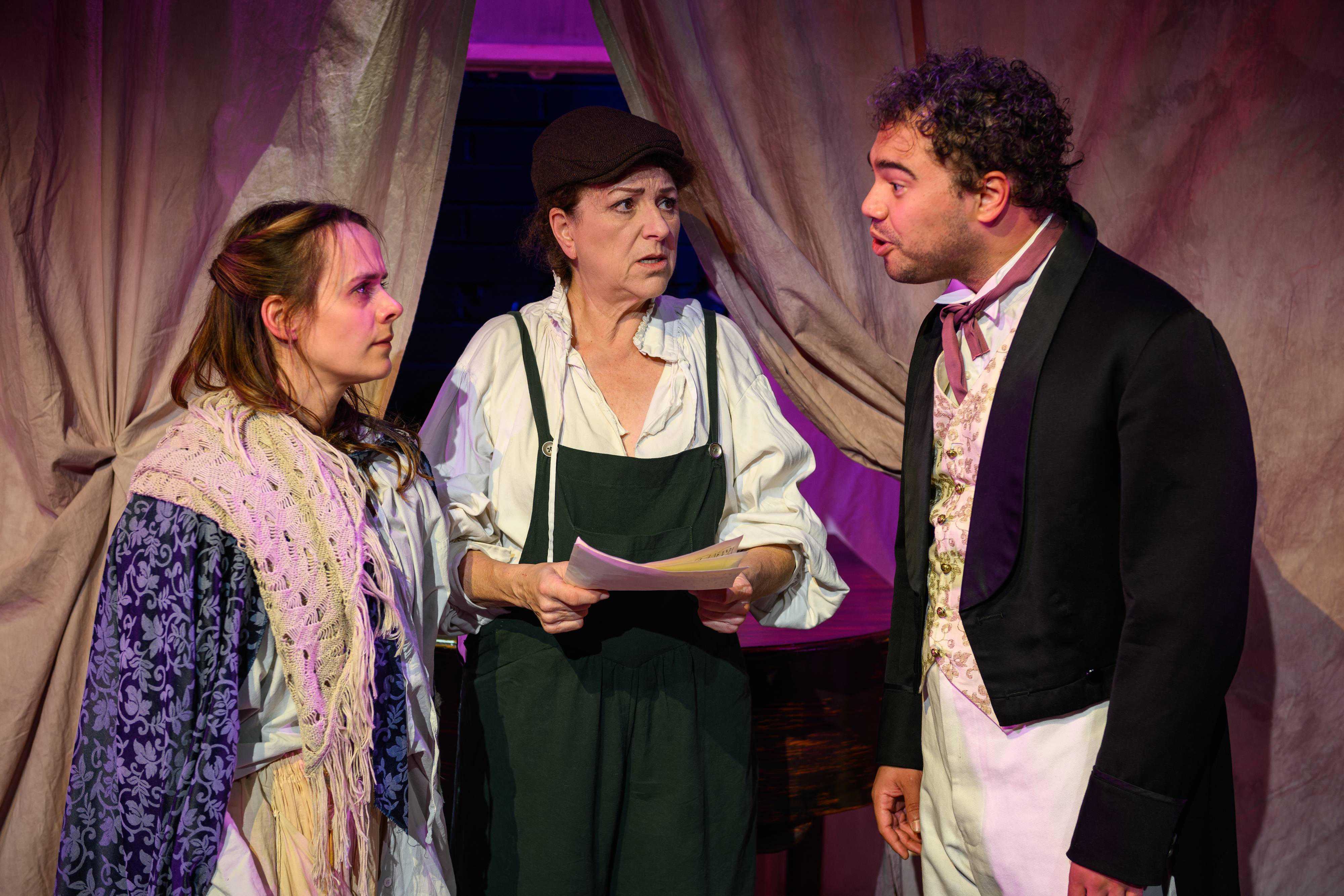
The production is clean and confident. Katie-Ann McDonough keeps the rhythm nimble, guiding the shifts from story to silliness and back without losing sight of Fanny’s need for agency. Charlie Russell leads with quicksilver ease and a conductor’s command of the room. Around her, Daniel Abbott, Kim Ismay, Jeremy Lloyd, Danielle Phillips, and Riad Richie shape a small company that moves fast and lands the jokes while staying alert to the cost of every decision. Sophia Pardon’s set and costumes sketch period with a light hand, and the musical direction and original compositions by Yshani Perinpanayagam fold neatly into the scene work, so the score pushes the story forward rather than pausing it.
What gives the evening its weight is the connection to the real Fanny Mendelssohn Hensel. A German composer and pianist of the early Romantic period, she left more than 450 works across chamber music, piano pieces, lieder, cantatas, and an orchestral overture, the vast majority unpublished while she lived. She and Felix shared rigorous training in Berlin, but custom and class narrowed her path, and even placed some of her songs under his name.
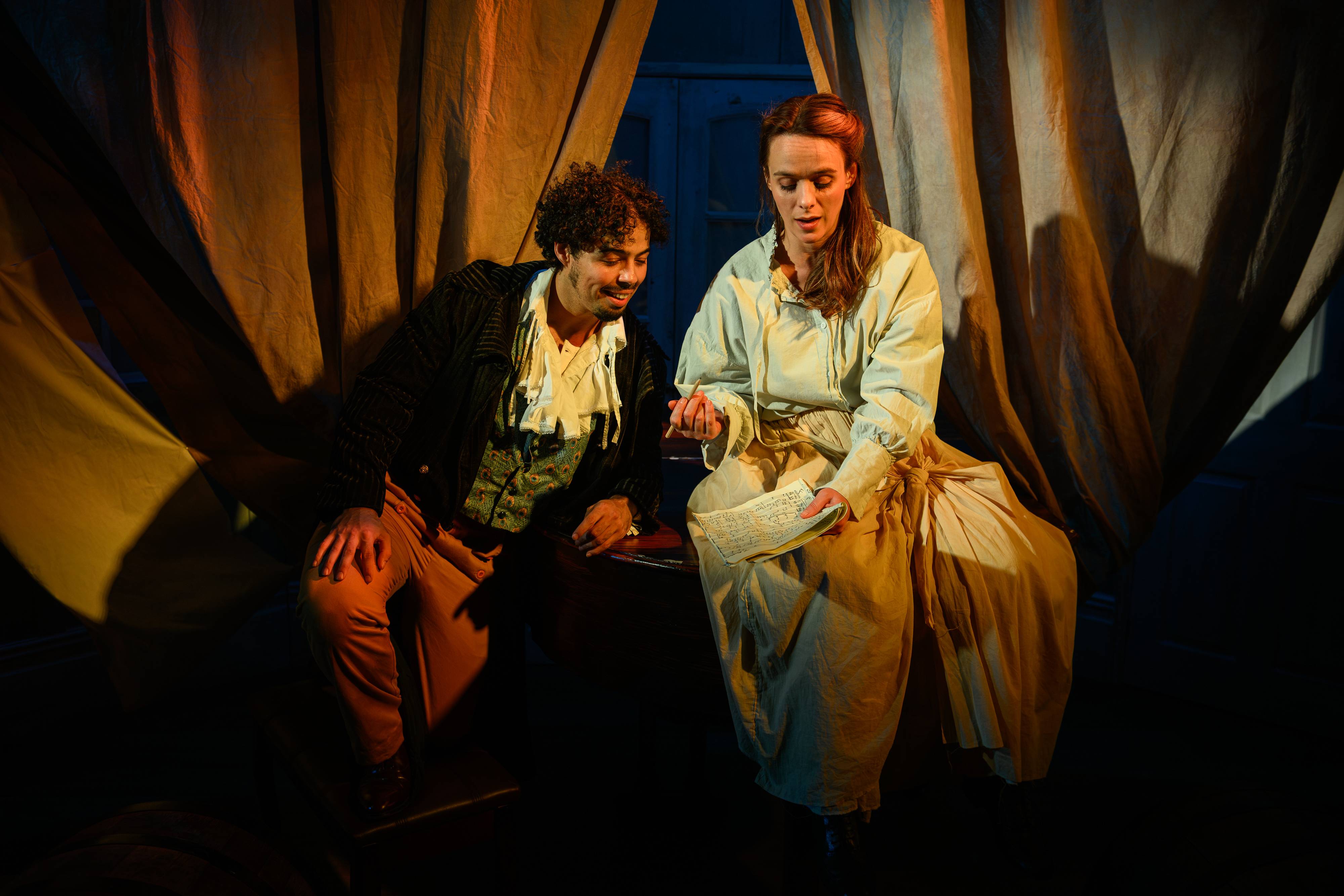
The play does not lecture on that history; it dramatises it through letters and family dynamics, frustrations with watching women try to fight for their place in the world, and a bizarre, almost kooky at times humour. The result is a warm and sometimes wacky that asks who gets to be called a genius, and answers by letting Fanny step into the light, baton in hand.

