

Queens Food Tour at Culinary Backstreets: From Mexican Al Pastor to Tibetan Momos in One Unhurried Walk
Culinary Backstreets’ Queens Food Tour, officially called The United Kitchens: Going Deep in the Borough of Global Eats, reminds you why walking and eating together is one of the most honest ways to get to know a place. Queens is home to more than two million people, roughly half of them born outside the United States, speaking upwards of 150 languages. This five-to-six-hour walk through Corona and Jackson Heights treats that statistic as a menu rather than a talking point. Groups are capped at seven guests, and the $175 fee covers everything you eat. The day runs from Latin American griddles and bakeries to Himalayan and South Asian street food, with a detour through Japan, all within earshot of the rumbling 7 train. Our guide was Sergio. By the end we had worked through more than a dozen dishes and learned a good deal about the neighbourhoods that produce them.
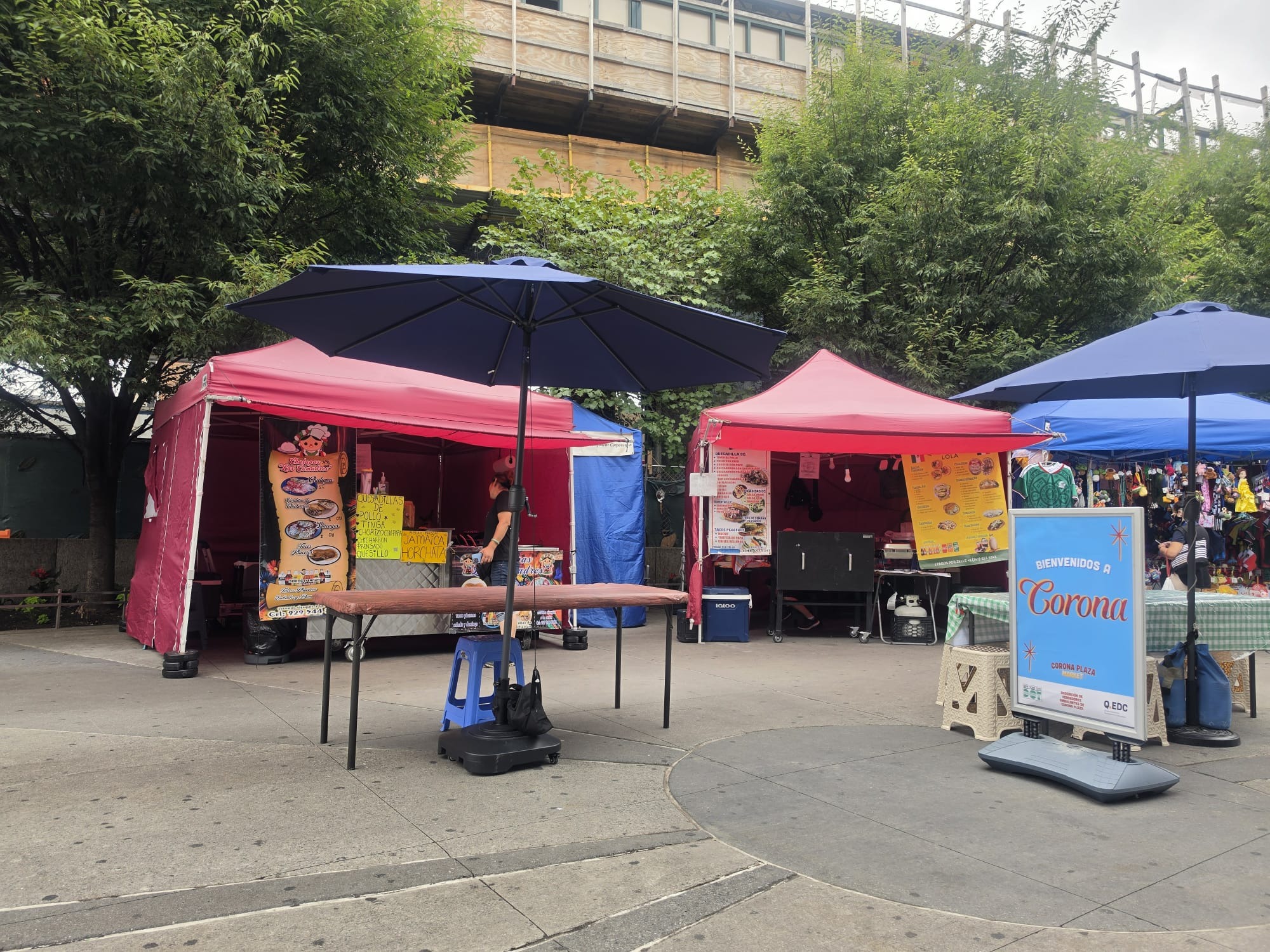
The tour begins in the morning in Corona, in the shadow of the elevated tracks, and the early stops set the tone. The food is served the way it is meant to be eaten, quickly and with your hands, and the pace is unhurried enough to leave room for questions. Sergio’s role is part guide and part introducer. The cooks and vendors treat the group as welcome guests rather than customers passing through, and that warmth is what distinguishes the day from a simple progression of plates.
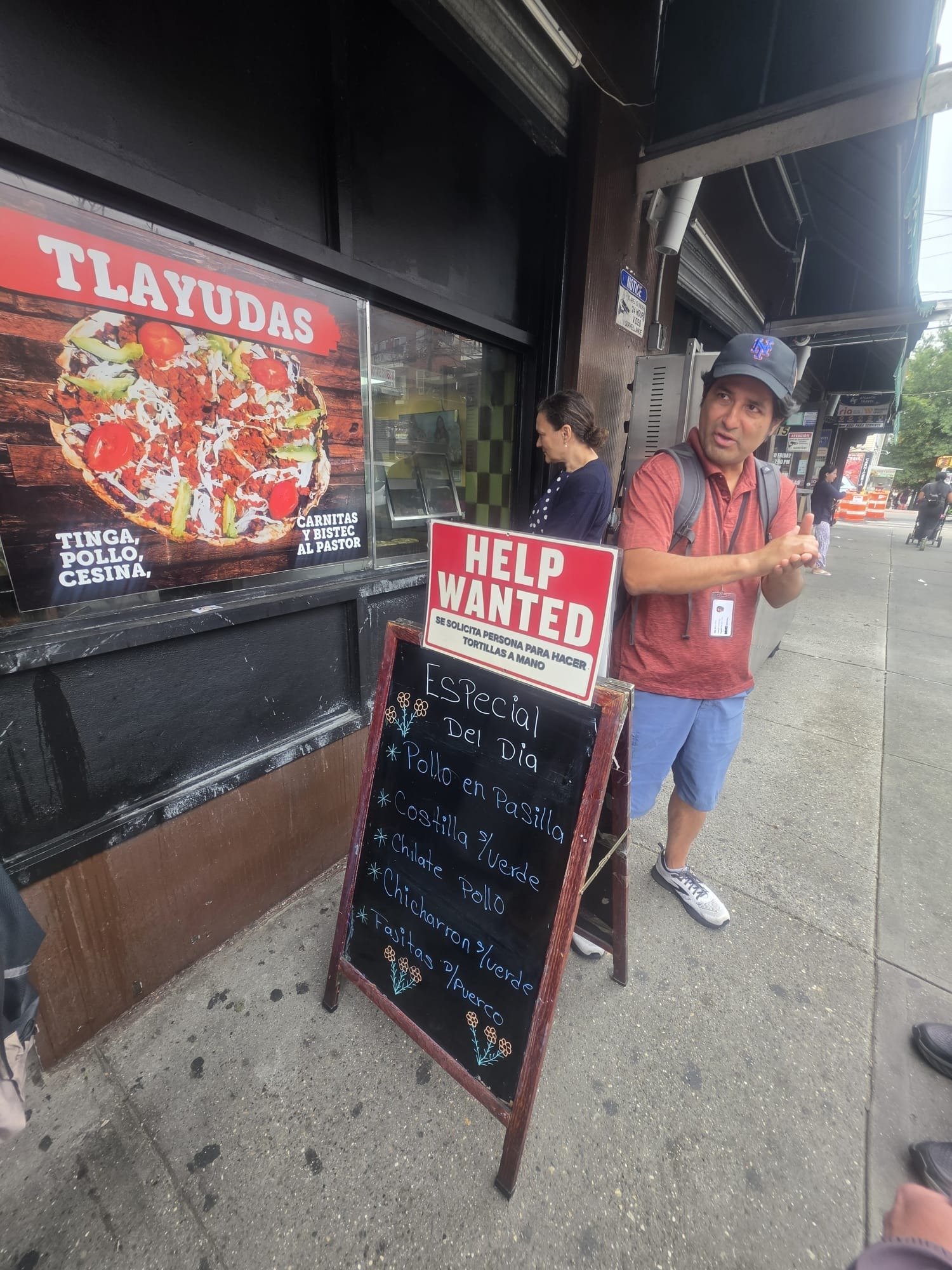
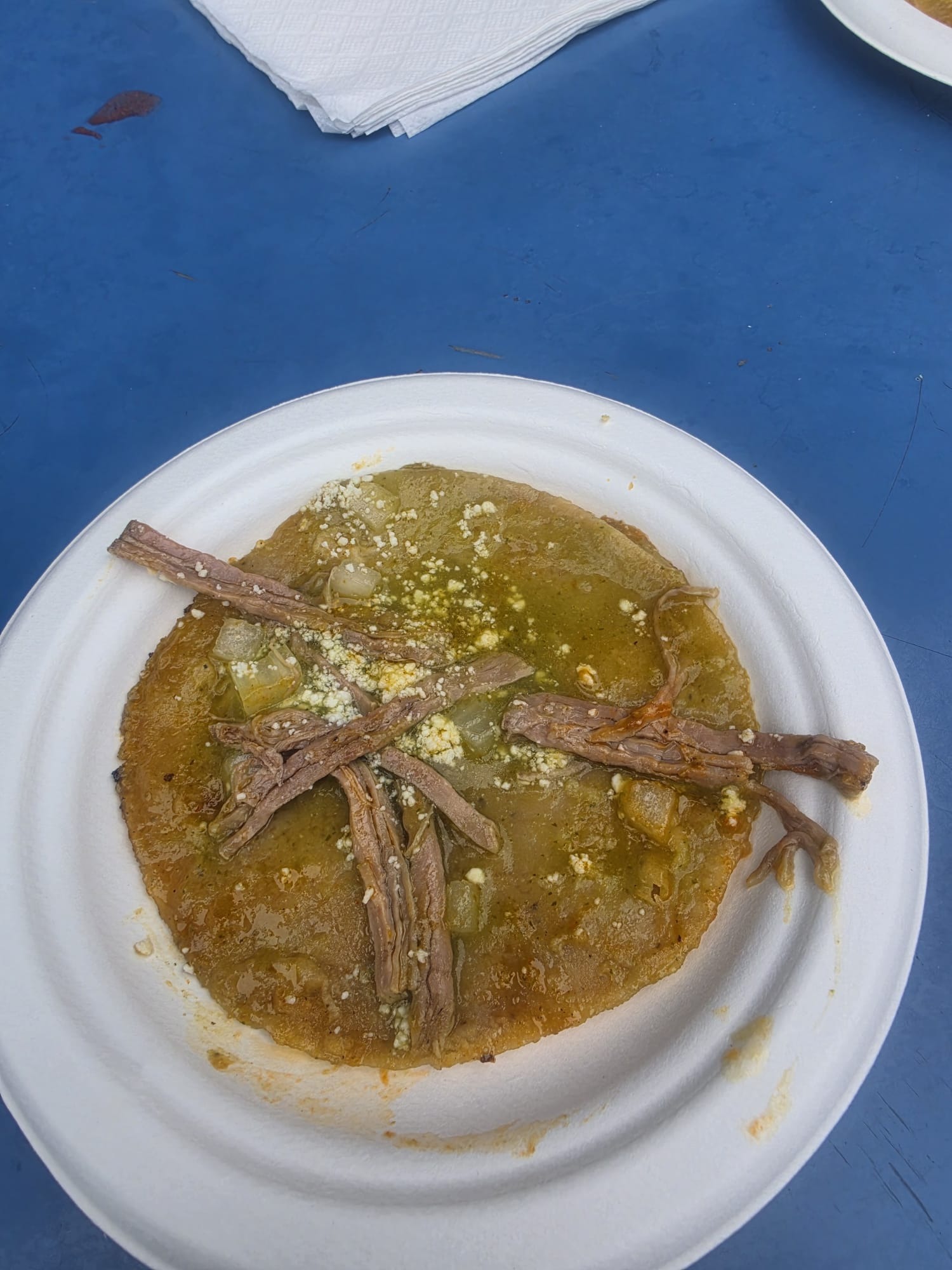
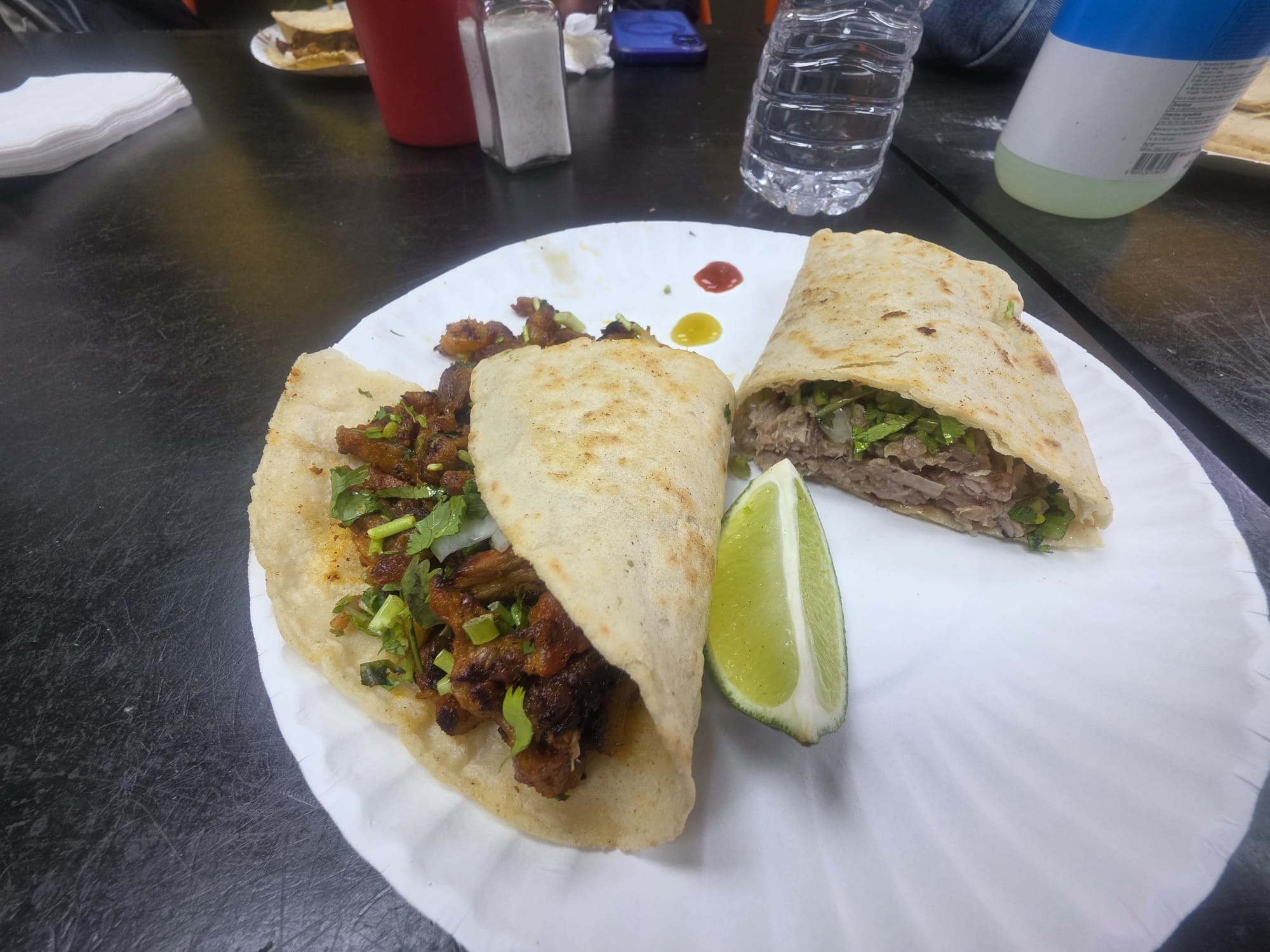
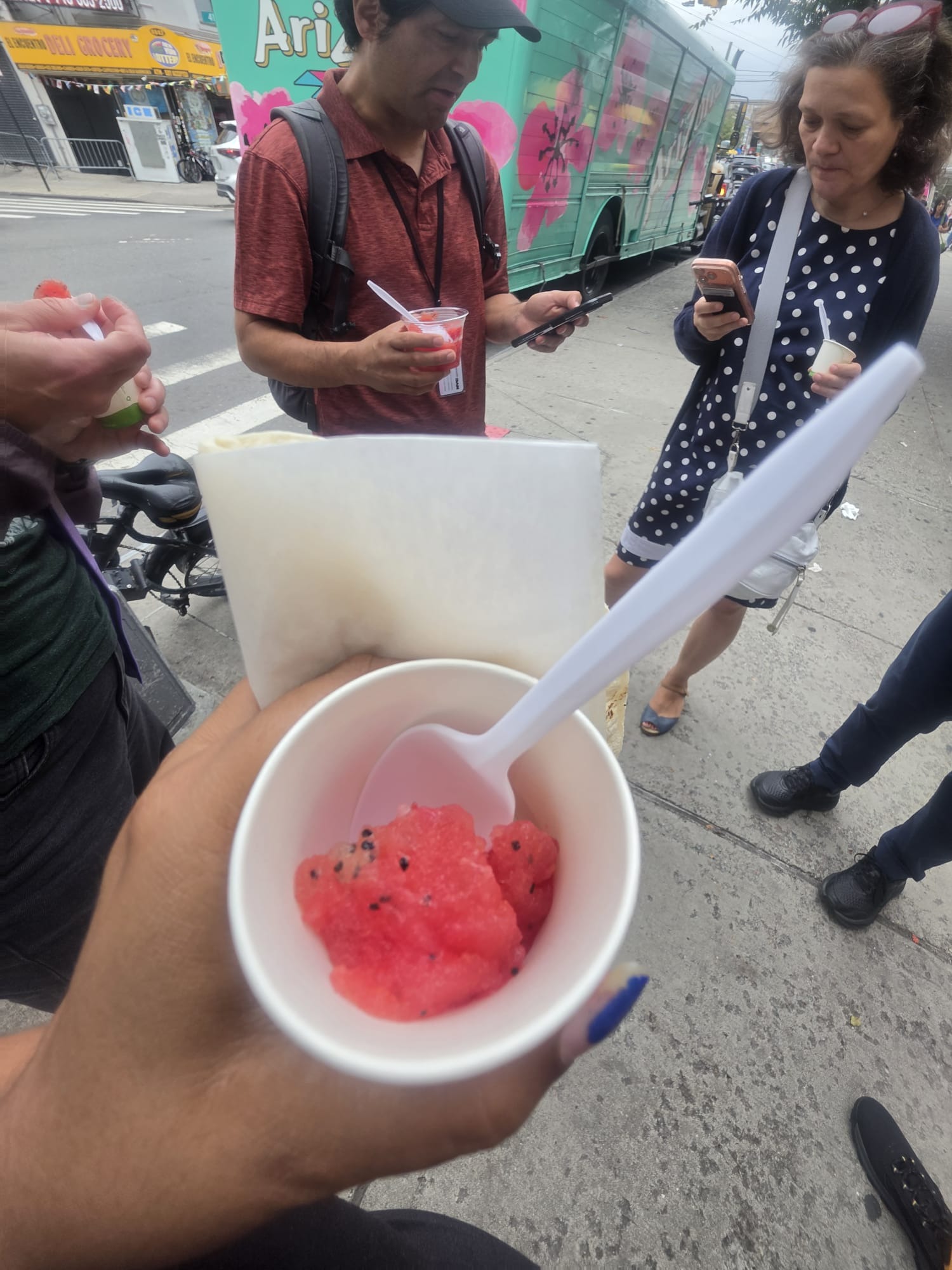
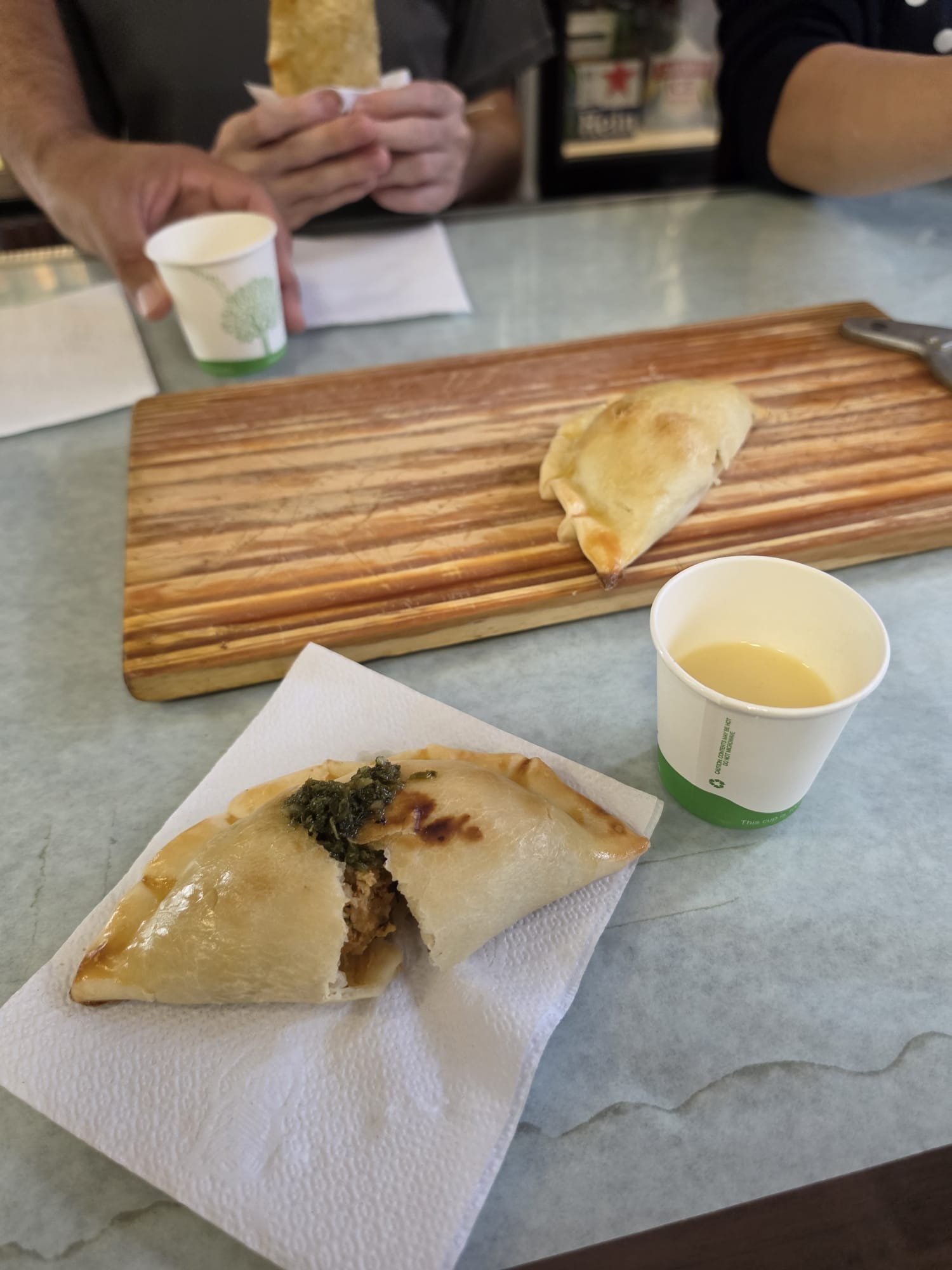
What works especially well is the range of the Latin American stops, and the savoury ones come first. Al pastor arrives as it should, marinated pork carved from a vertical spit, a Mexican descendant of the shawarma brought by Lebanese immigrants. The carnitas, pork slow-cooked until tender and then crisped, make a rich counterpoint. The chalupa adds a crisp masa base under its toppings, and the empanada is a reminder of how many cultures have their own version of a filled pastry. The bakery stops are just as memorable. Pan de yuca and pan de bono, the chewy, cheesy breads made with cassava starch, are addictive straight from the bag. The buñuelo brings fried, golden sweetness, and the quaker, a creamy, lightly sweet oat drink, is the kind of thing you would never think to order and then finish immediately. Nieves de garrafa, the Mexican ice cream and sorbet traditionally churned in a barrel set in ice and salt, make a fittingly cool finish to the Latin American half of the day.
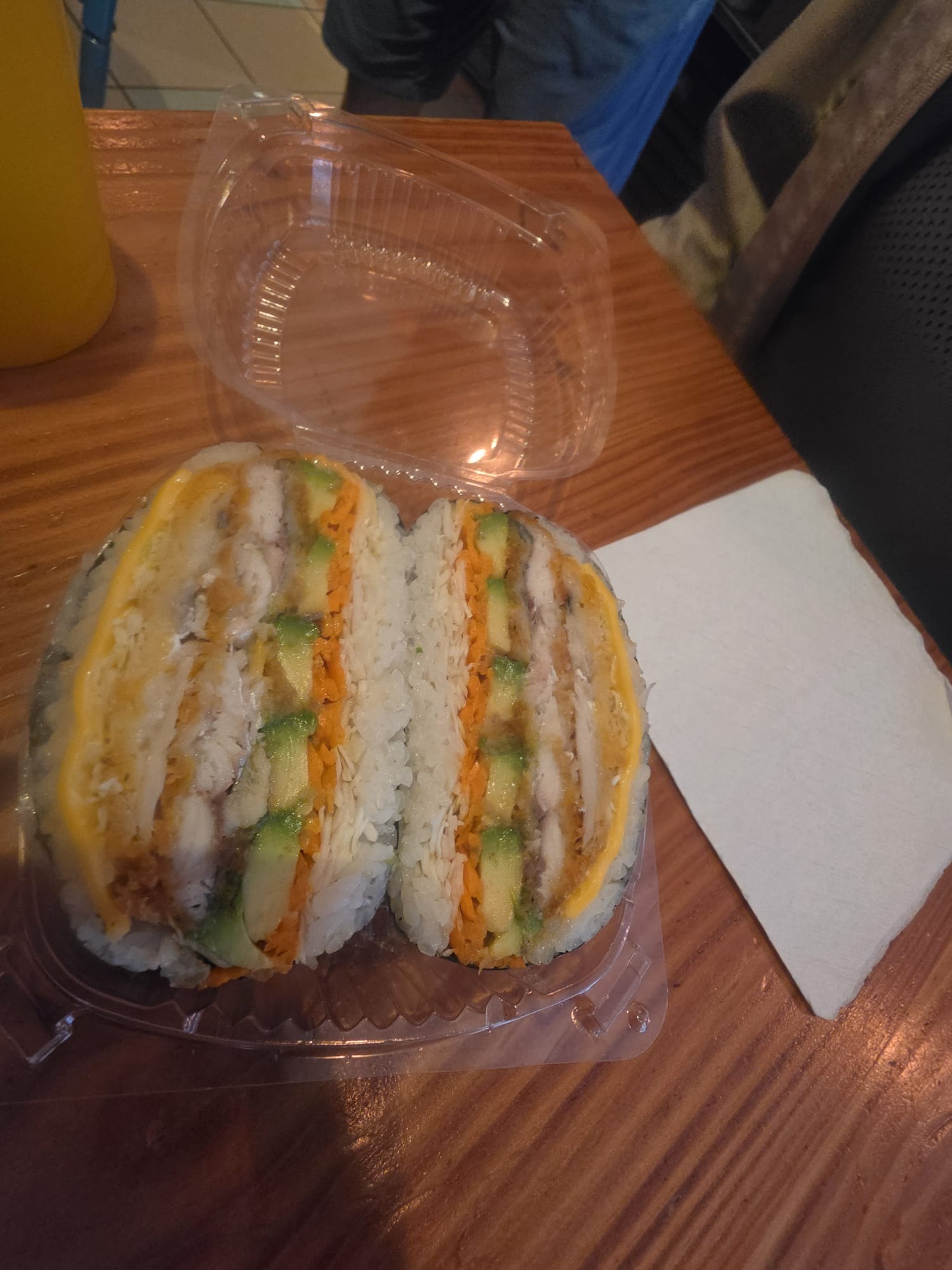
The second half moves to Jackson Heights and Asia. The Tibetan momos from a food truck are the dependable crowd-pleaser, juicy dumplings that hold up well to a second helping. Fuska, the Bengali street snack of crisp hollow shells, arrives loaded and flooded with tangy tamarind water, and it rewards you for eating it in one bite and not dwelling on it. At the Indian sweets stop, a coconut samosa shows that the form works just as well sweet, and a mango lassi cools everything down. The onigirazu, a Japanese rice “sandwich” of rice and fillings pressed between sheets of nori and sliced in half, is the day’s most surprising turn. It sits comfortably alongside everything else because the tour is really about immigrant cooking in all its forms, and the neighbourhood supplies them all.
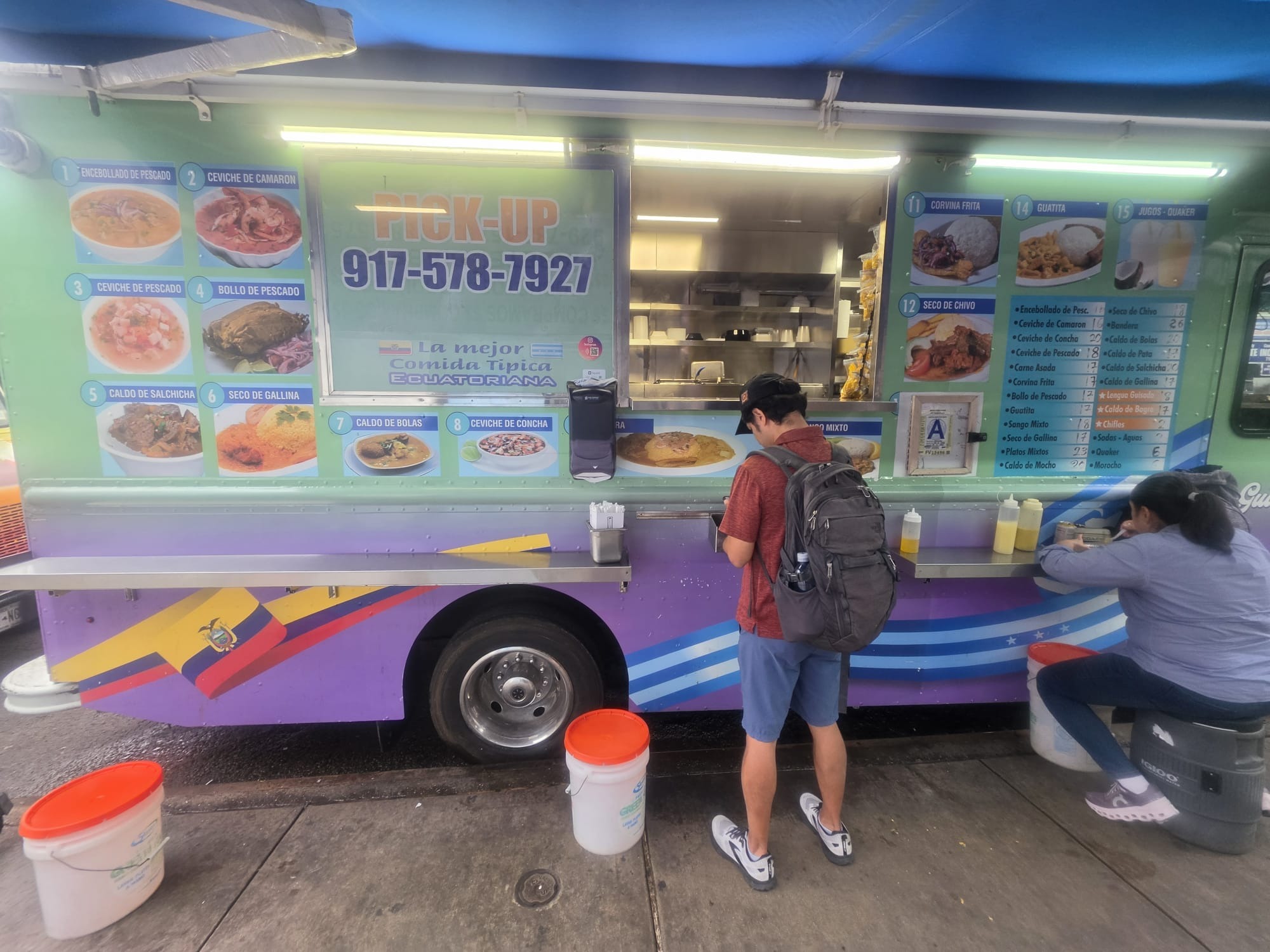
The setting does as much work as the menu. Roosevelt Avenue, which the tour describes as Queens’ answer to the Pan-American Highway, runs under the tracks with its markets, stalls and shopfronts in half a dozen languages. Walking it at an easy pace, with the route covering only around two and a half kilometres, means you notice the details: a hand-painted sign, a queue outside a cart, the smell of frying drifting from a doorway. The terrain is flat and the portions are well judged, so you can keep going for the full five hours.
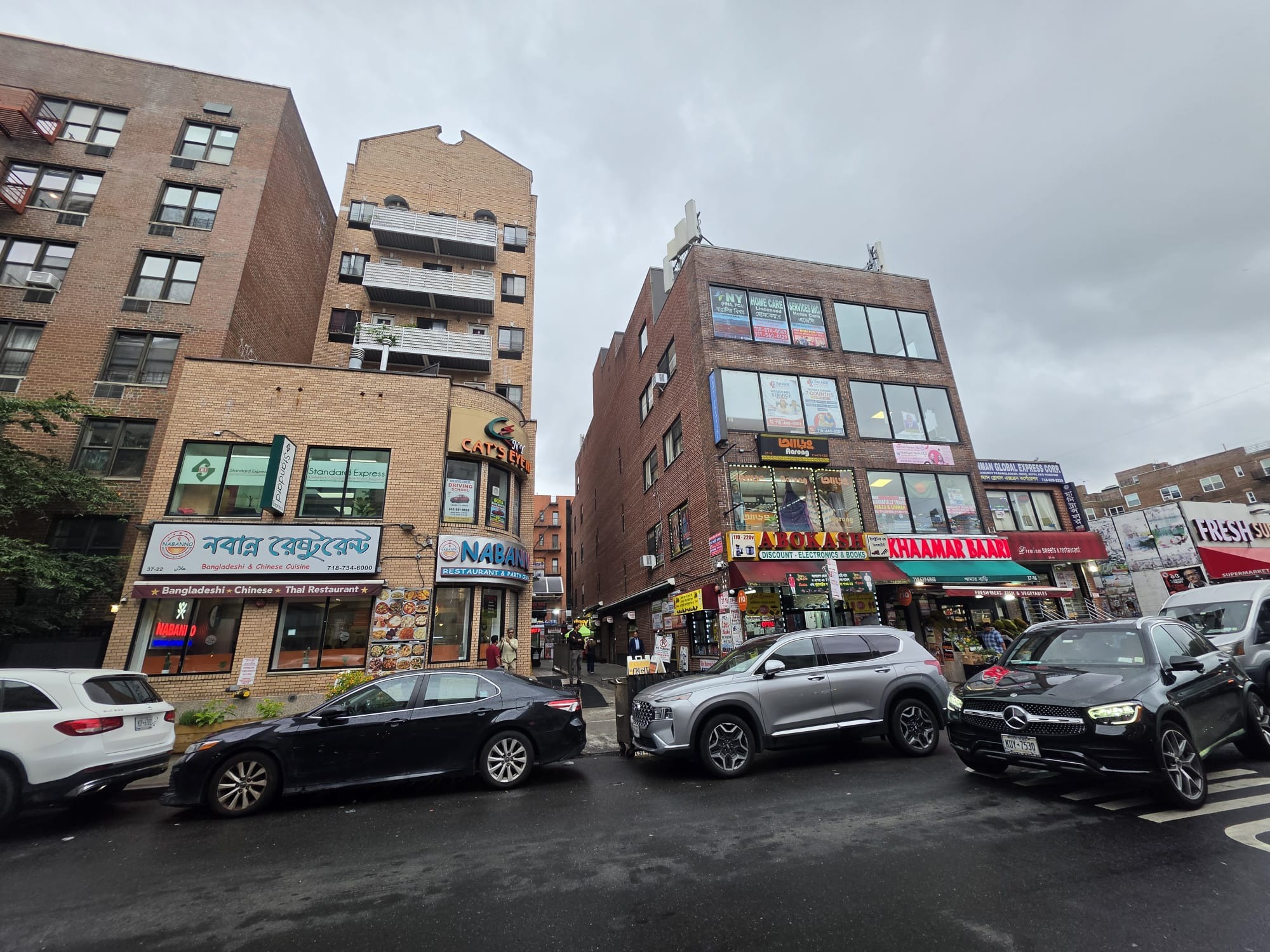
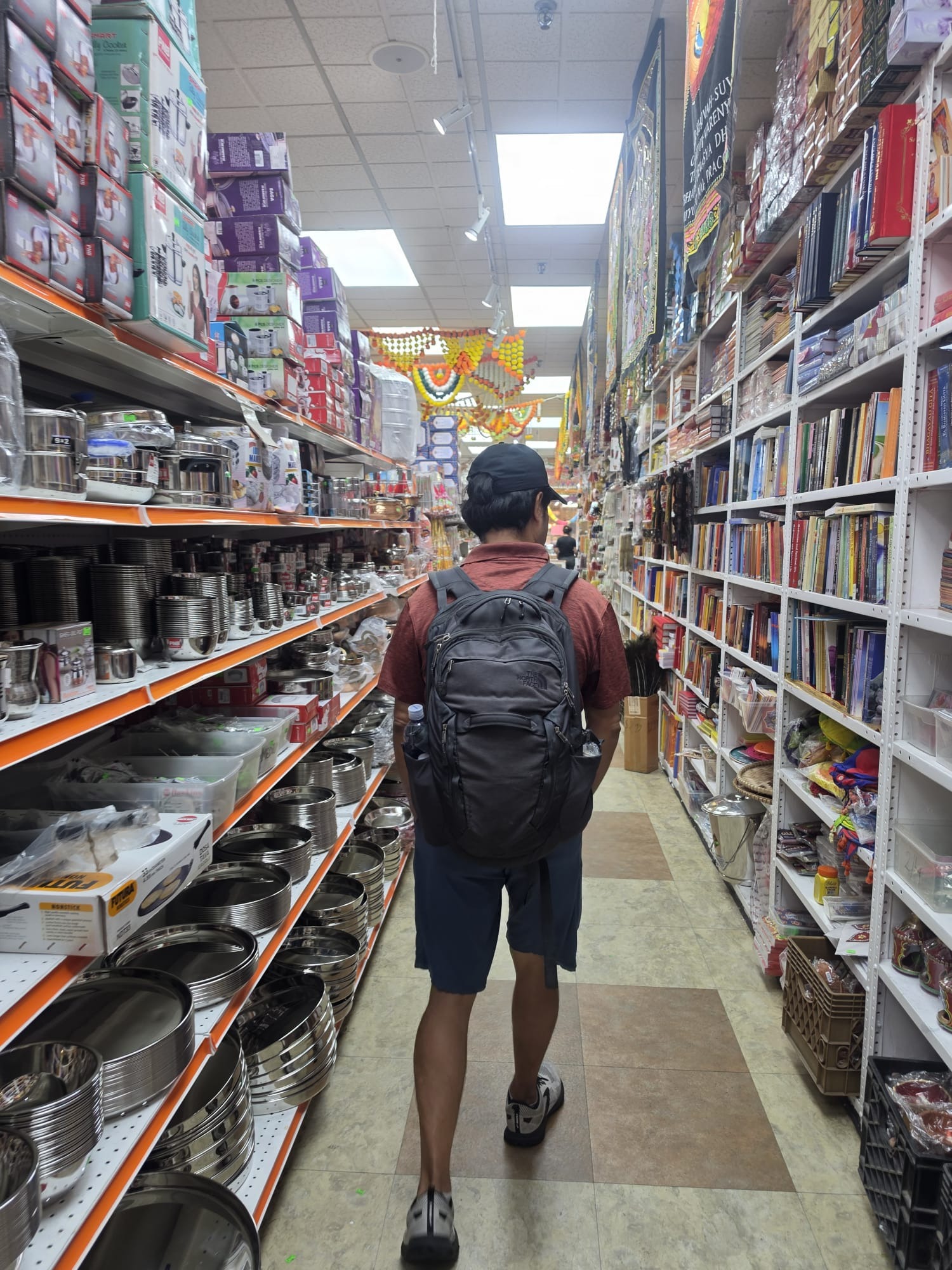
One of the tour’s greatest strengths is its balance between fun and substance. The humour comes easily, and so does the pleasure of discovery, but the day never forgets that behind every counter is a story of someone arriving with a recipe and setting up shop. Culinary Backstreets does not accept free meals or commissions from the places it visits, and that integrity shows. Every stop feels chosen rather than sponsored.
There are quieter moments between stops, when the group slows down on a corner to finish a last bite and Sergio lets a detail speak for itself. These are among the best passages of the day. The best food tours are really tours of people, and this one understands that, which is why you leave not only full but with a mental list of places to come back to on your own.

