

What a fantastic production. The main reason to see Jeeves Takes Charge is Sam Harrison, who spends two hours on stage completely alone and somehow manages to make twenty-two different characters feel like twenty-two different people.
That sounds like a theatrical gimmick when you describe it, but watching him do it is something else. He can switch character in the middle of a conversation with little more than a change in posture, voice or facial expression, and within seconds you forget that the same actor is playing everybody.
The production, adapted by James Duke, Edward Duke and Hugh Wooldridge from P.G. Wodehouse's Jeeves and Wooster stories, has been around in different forms for more than forty years. This version, directed by Wooldridge, still feels incredibly lively.
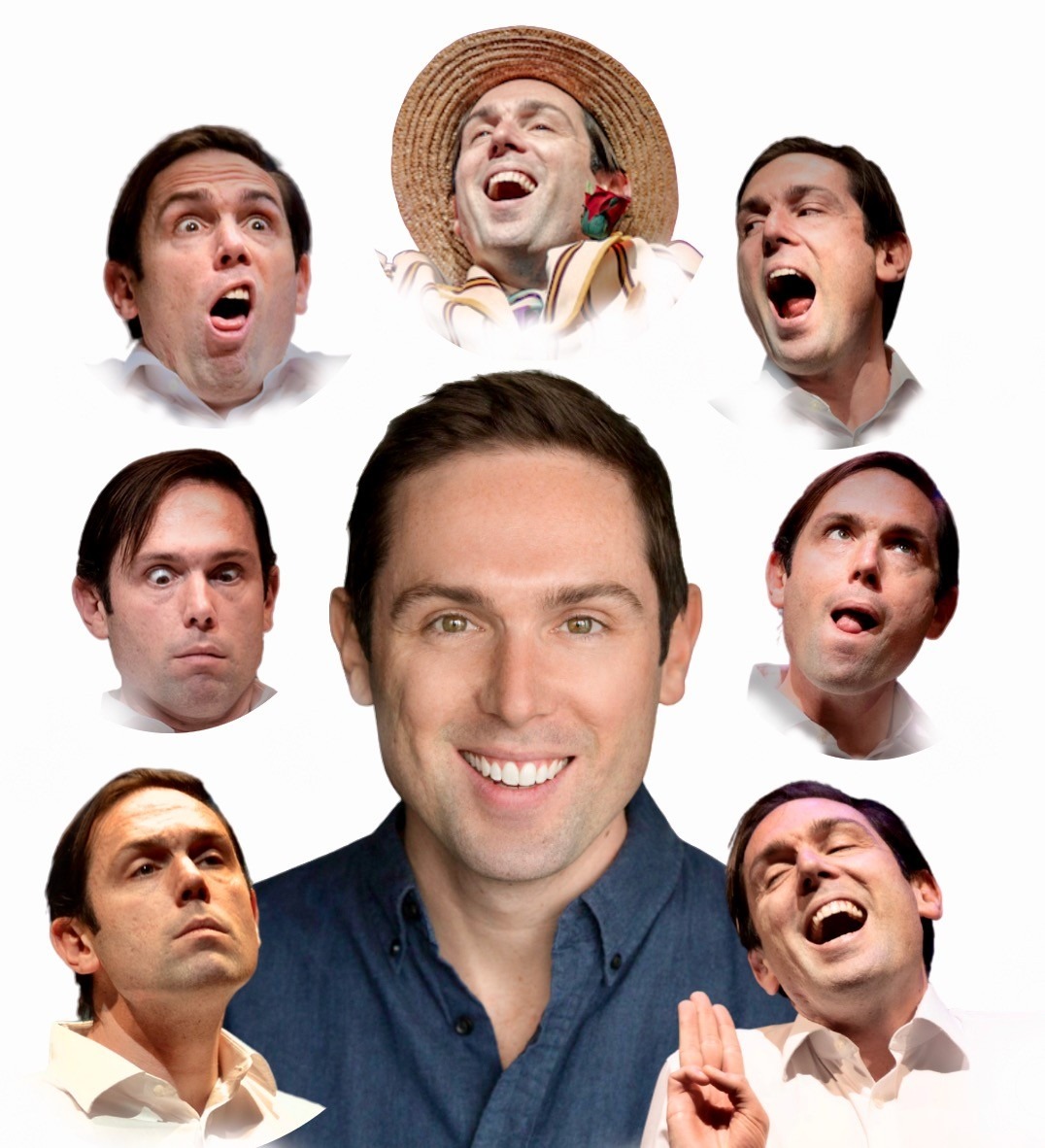
Harrison's Bertie Wooster is cheerfully hopeless. He barrels into one bad decision after another with absolute confidence, while Jeeves appears to be several steps ahead of him at all times. Harrison gets the contrast between them immediately. Bertie is all nervous movement and misplaced enthusiasm; Jeeves barely needs to move at all.
Then more characters start appearing, except of course they are all Harrison too.
Aunt Dahlia was a particular favourite of mine because the transformation is so immediate. Harrison changes the way he stands, looks and speaks and suddenly there is another person in the room. He doesn't need elaborate costume changes or long pauses to tell us who we are watching. You know.
That is what makes the twenty-two-character performance so impressive. They don't blur together. Even when Harrison is having an argument with himself, you can follow exactly who is speaking and what each person wants. After a while, you almost stop thinking about the technical difficulty of what he is doing because you're too busy following the story.
Wodehouse's humour also gets plenty of room to breathe. There are ridiculous misunderstandings, unwanted engagements, family interference and Bertie's seemingly endless ability to make his own problems worse. The language is sharp, but the production doesn't rush through it in search of the next laugh. Some of the funniest moments come from Harrison knowing exactly when to wait.
The relatively simple staging is a good choice. Caite Hevner's scenic design gives us enough of the period without filling the stage with things Harrison doesn't need. Tim Mitchell's lighting and Paul Groothuis's sound help move the story between places and characters while keeping the focus firmly on the performance.
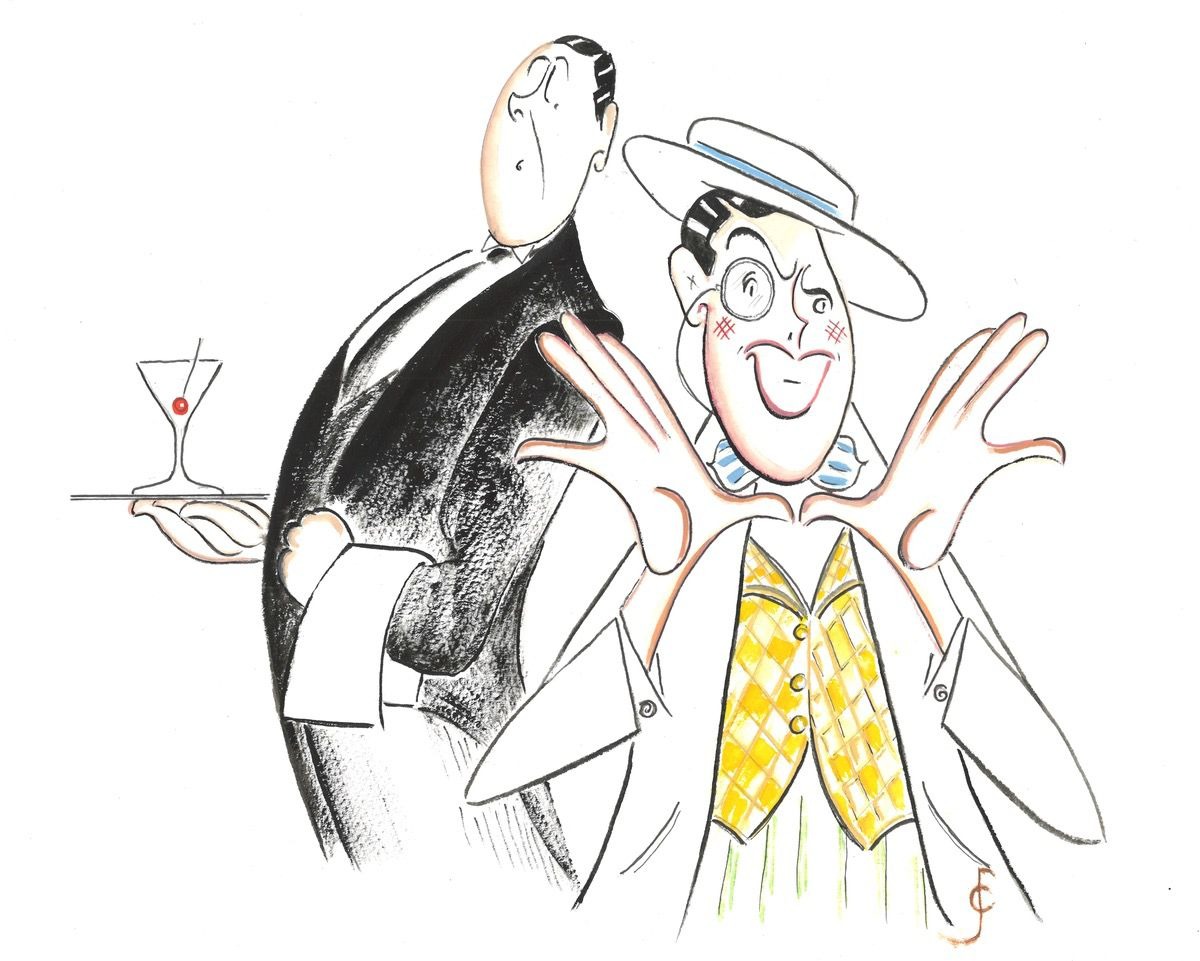
There is also something very likeable about the world of the play. Everyone is ridiculous to some degree, but the joke rarely feels nasty. Bertie can be infuriatingly incapable of helping himself, yet you still want things to work out for him.
The quieter exchanges between Bertie and Jeeves are important as well. Beneath all the chaos, there is real affection between them, even if Bertie would probably be the last person to realise just how much Jeeves is constantly saving him from.
But Harrison is the reason this production really works. Playing twenty-two characters would be impressive enough as a technical exercise. Making those characters funny, recognisable and enjoyable to spend an evening with is much harder.
He makes it look ridiculously easy.
If you love Wodehouse, character comedy or simply seeing an actor do something on stage that makes you wonder how on earth they are managing it, Jeeves Takes Charge is absolutely worth seeing.

