

As Fantasia Orchestra marks its tenth anniversary, founder and conductor Tom Fetherstonhaugh reflects on friendship, cross-genre programming, musical openness, singers, sitars, dream collaborators from history and what comes next.
When Tom Fetherstonhaugh founded Fantasia Orchestra in 2016, he was not trying to build a conventional orchestra. The original impulse was simpler and more personal. He wanted to gather friends from his own generation and create a space where they could make ambitious music together.
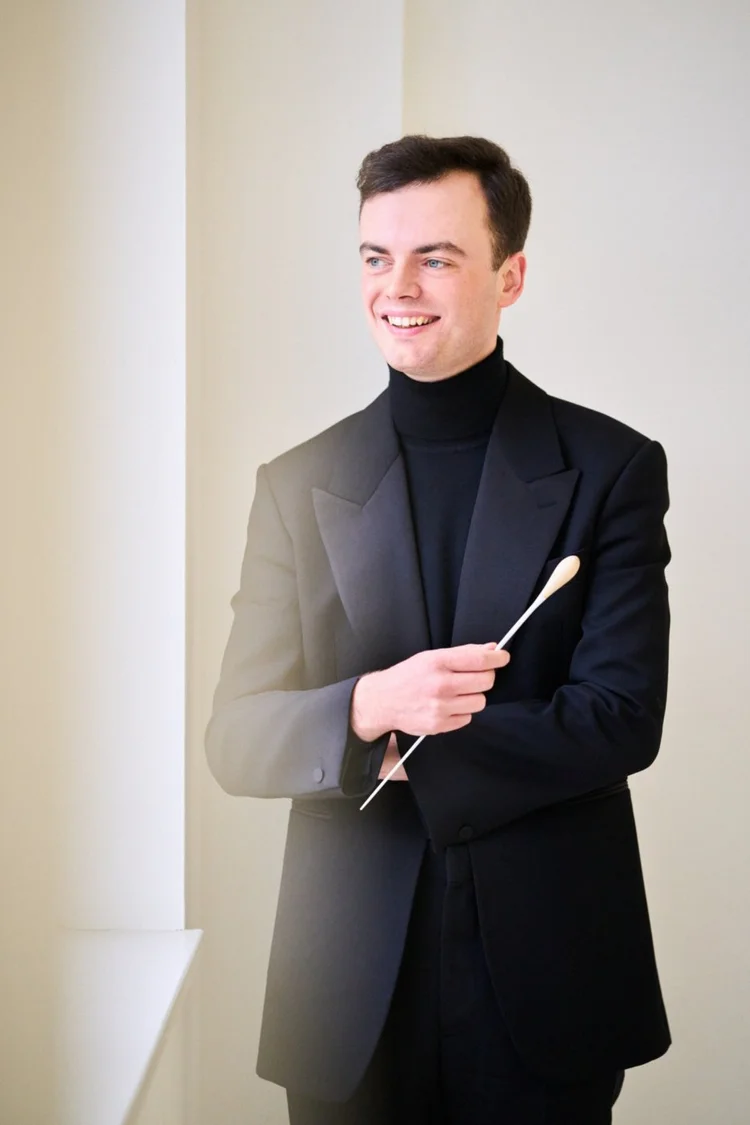
Those early concerts were bold from the start. Fantasia began with major orchestral repertoire, including Beethoven’s Seventh Symphony and Tchaikovsky’s Fifth Symphony, giving young players the chance to test themselves seriously. But what has lasted is not only the ambition. It is the feeling behind it.
“The desire to make music in an exciting and fresh way,” Fetherstonhaugh says, “and the real sense of friendship in the orchestra has remained since day one.”
That friendship still sits at the centre of Fantasia’s identity. He describes the orchestra as a close and tight-knit group of people who love making music together. It began as a community before it became an organisation, and that matters. The sense of shared curiosity is what allows the orchestra to take risks without treating those risks as gimmicks.
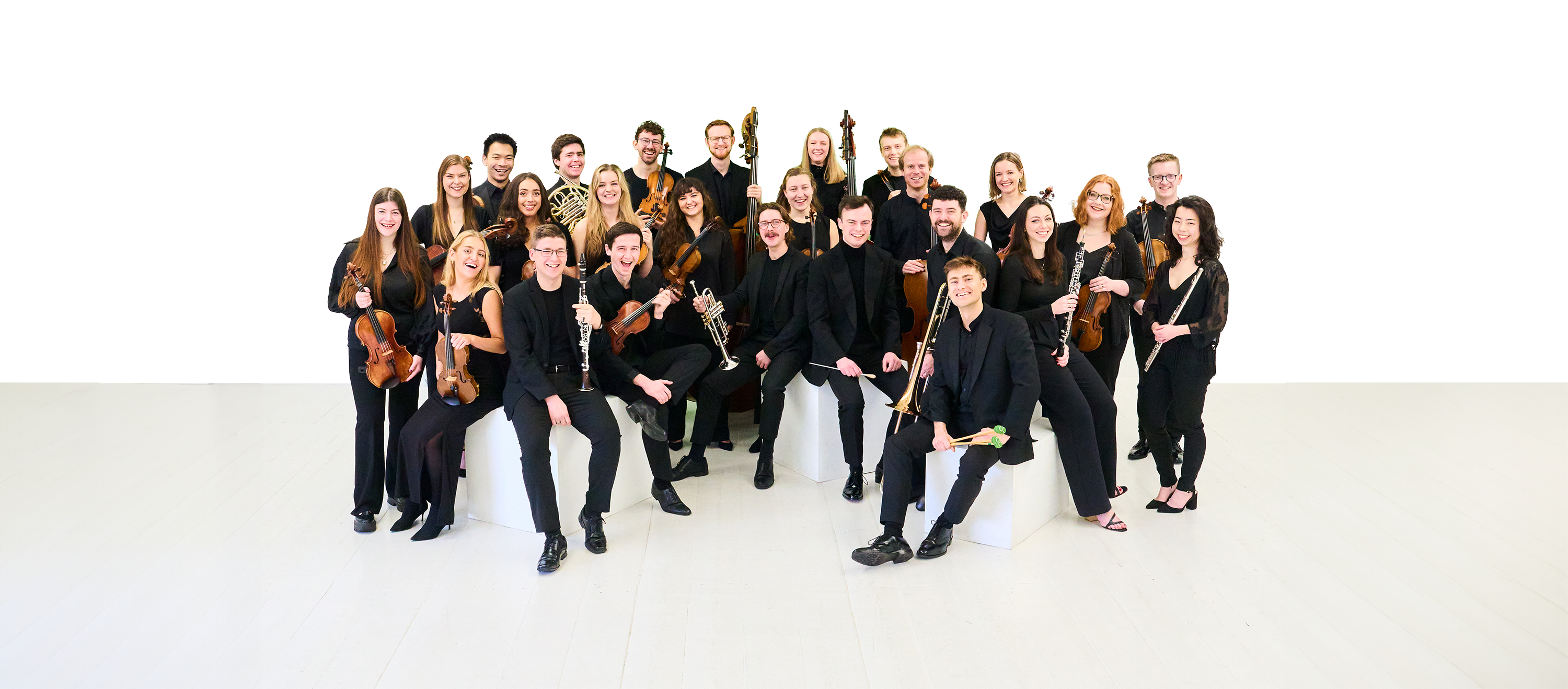
Over time, Fantasia’s artistic identity has become increasingly focused on multi-genre programming. Fetherstonhaugh points to a 2022 collaboration with Sotheby’s as a decisive moment. Asked to create a concert celebrating British creativity that brought different genres into conversation, he recognised that this could become more than a one-off idea. It could be a way for Fantasia to define itself.
Since then, Fantasia has built programmes that place classical music beside jazz, contemporary music, Indian classical traditions, popular influences and experimental textures. For Fetherstonhaugh, this is not about collecting styles for the sake of it. It is about listening differently.
“I find it very exciting to bring different cultures, different traditions into dialogue,” he says, “because I think that’s how we learn.”
He talks about music as a way of bringing cultures and traditions into contact with one another, and as a way of resisting the narrowness of modern public life. At a time when political rhetoric and technology can push people towards individualism and isolation, Fantasia’s work asks audiences to stay open.
“Everything is pointing towards individualism and being more and more isolated from ideas, other points of view and other ways of looking at the world,” he says.
For him, musical openness is not just an artistic choice. It has a wider social meaning. Fantasia’s programming is built around the question of what happens when different traditions, players and audiences are invited into the same room, not as separate categories, but as part of one shared musical experience.
That is why the orchestra’s collaboration with sitar virtuoso Jasdeep Singh Degun became such an important example of Fantasia’s approach. Fetherstonhaugh had already wanted to explore a collaboration between Fantasia and Indian classical musicians. When Degun joined the orchestra, that ambition became a vivid musical encounter.
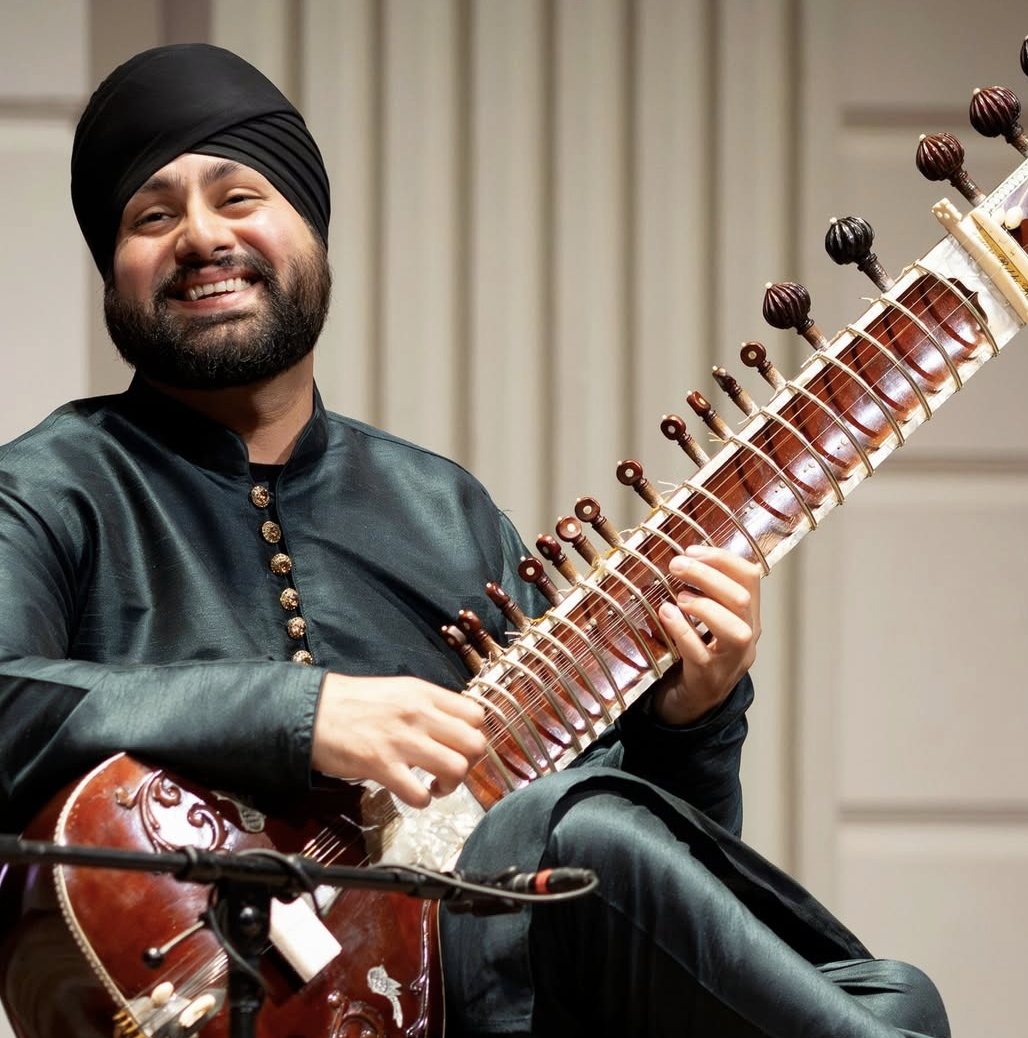
For us as audience members, that concert changed something. After the performance, my husband said it had changed his whole perspective on music. That response matters because it shows what Fantasia’s programming can do. It does not simply place two traditions on the same stage. It can make a listener leave hearing music differently.
Fetherstonhaugh suggests that these connections cannot always be fully planned. Classical programming often happens months or even years in advance. Arrangements have to be commissioned, concerts have to be scheduled, and the practical machinery of performance begins long before the audience hears a note. Yet the meaning of the collaboration often arrives in the room.
“It’s only when you’re in the moment in the concert that really the connections and the collaborations and the links start to become palpable,” he says.
That live experience is central to Fantasia’s identity. The programme may be planned far in advance, but the real charge comes when the orchestra, soloists and audience discover the connections together.
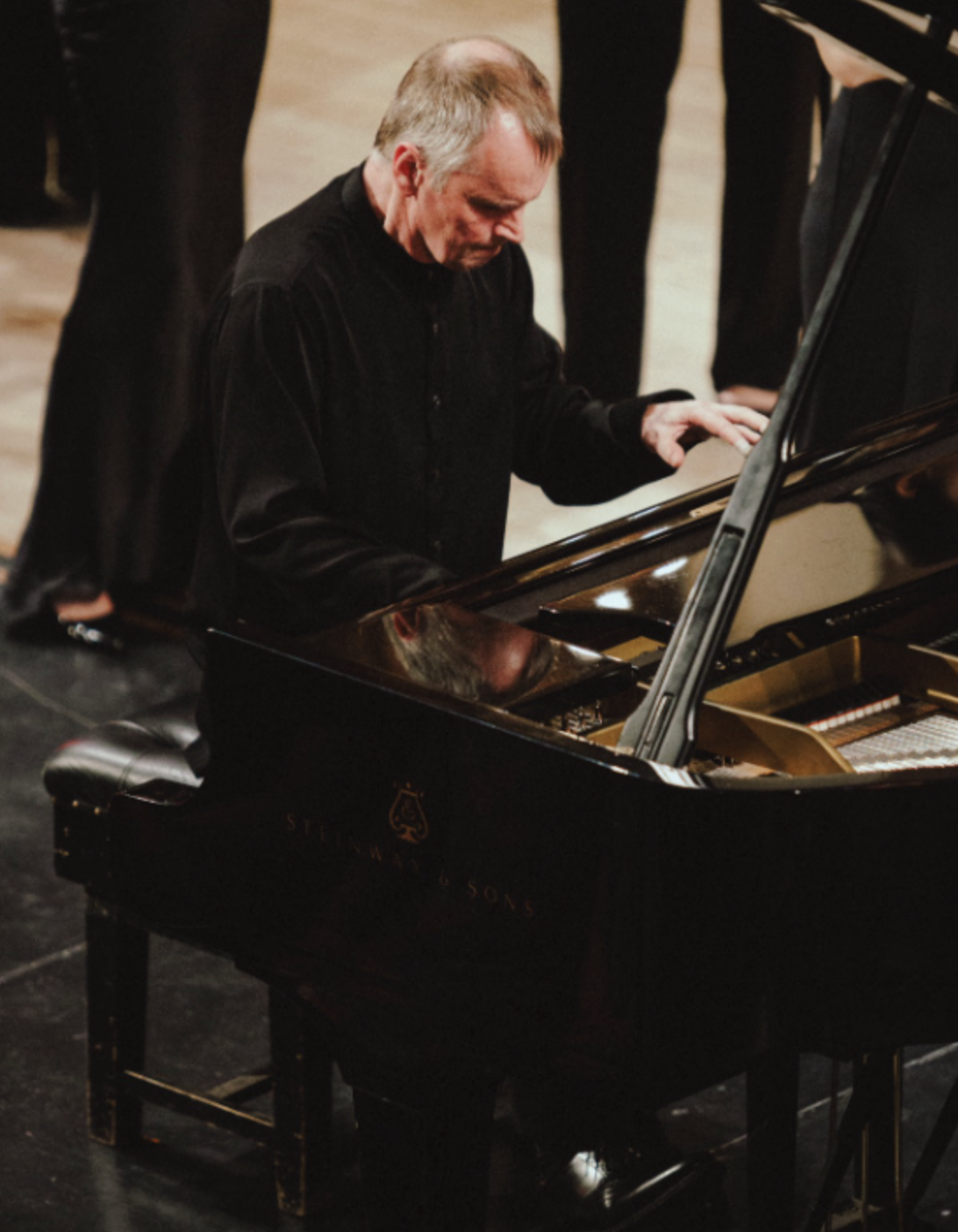
A recent concert with pianist Steven Osborne offered another example. The programme placed Bartók and Shostakovich alongside jazz standards and transcriptions, with all the music written within a relatively short period. Fetherstonhaugh says it was only after hearing the jazz material in rehearsal that he returned to Bartók and heard the first movement differently.
“I realised that the Bartók first movement was full of blues notes,” he says. “I’d never heard that piece in that way.”
That is the value of juxtaposition. It does not flatten the differences between musical worlds. It sharpens the ear. It allows familiar repertoire to be heard from a new angle.
Fantasia’s openness also affects the players. Many of the orchestra’s musicians work regularly with major ensembles, often within core classical repertoire. Fantasia gives them another kind of artistic space. Fetherstonhaugh describes it as a way for musicians to “scratch an itch” musically, whether that interest is jazz, musicals, contemporary music or something further outside the orchestral mainstream.
That sense of possibility is central to where Fantasia may go next. Touring and recordings are part of the plan, but so is continued experimentation. Fetherstonhaugh is particularly interested in working with instrumentalists who do not play traditional orchestral instruments. The sitar collaboration showed how powerful that could be. He also mentions that Fantasia has never yet done a concert with an electric guitarist.
That detail opens up a larger question about what an orchestra can contain. For Fantasia, the orchestra is not a closed historical object. It is a flexible body of sound that can meet other traditions, other instruments and other ways of performing.
Another revealing moment comes when Fetherstonhaugh discusses Fantasia’s work with the BBC Singers and Dame Evelyn Glennie. He says he loves working with singers, and then makes one of the most memorable comments of the conversation.
“As instrumentalists, we’re trying to always recreate the sound of a voice,” he says.
It is a small comment, but it says a great deal about his musical values. The voice becomes a model for phrasing, breath, communication and directness. He mentions that he used to be a singer himself, which gives the comment additional weight. Even when he is talking about orchestral playing, the ideal is not mechanical precision alone. It is expression that feels human.
His answer to a lighter question about dream collaborators from history also reveals something important. Asked who he would most like to bring into a Fantasia concert, he chooses Oscar Peterson, Mozart and Aretha Franklin.
Oscar Peterson represents jazz at its highest level: virtuosity, spontaneity and rhythmic brilliance. Mozart is his classical choice, but Fetherstonhaugh’s nervousness is not about Mozart’s music. It is about Mozart’s personality. He imagines Mozart’s famous quick wit keeping everyone on their toes. Aretha Franklin, meanwhile, represents the power of the iconic twentieth-century voice.
Together, those three answers almost unintentionally describe Fantasia’s own artistic map: classical music, jazz and popular music sitting beside one another, not as separate worlds, but as possible collaborators.
Looking ahead, Fetherstonhaugh wants Fantasia to tour more widely, including internationally. Europe and the United States are both on his mind. He also wants the orchestra to record and release its concert programmes, which he sees as naturally album-length experiences.
“I’d love to record the concerts and then release them,” he says. “I think it’s a really good format for an album.”
Fantasia’s relationship with the BBC Proms remains a major source of pride. Fetherstonhaugh describes the orchestra’s first Proms invitation as a major milestone, and its return during the tenth anniversary year is clearly significant. Playing at the Royal Albert Hall is not only a marker of success, but a sign of how far the orchestra has travelled from those early concerts among friends.
Asked what would make the next ten years successful, his answer is straightforward: keep touring, keep releasing albums and keep making music in an exciting and vibrant way.
A decade after Fantasia began as a way for friends to make music together, its identity is now much larger, but not less personal. It remains rooted in curiosity, friendship and the belief that an orchestra can be a meeting place.
Not just for instruments, but for traditions, artists, audiences and ideas.

